
This post contains affiliate links which may earn Eco Mom Diaries a commission.
DISCLAIMER: No material on this site is intended to be a substitute for professional medical advice, diagnosis or treatment. Always seek the advice of your physician or other qualified health care provider with any questions you may have regarding a medical condition or treatment and before undertaking a new health care regimen, and never disregard professional medical advice or delay in seeking it because of something you have read on this website.
When my son was little, I started noticing tiny rough bumps on the backs of his arms and cheeks. They almost looked like goosebumps that never went away. At first, I assumed it was just dry skin, especially since it seemed worse in the winter. I tried regular lotions and gentle soaps, but nothing seemed to make much of a difference.
Eventually I learned that those little bumps have a name: keratosis pilaris, commonly called “chicken skin.” Once I understood what it was and why it happens, it became much easier to manage.
If you are seeing similar bumps on your child’s skin, or even on your own arms or legs, you are definitely not alone. Keratosis pilaris is extremely common and affects both children and adults.
What Is Chicken Skin?
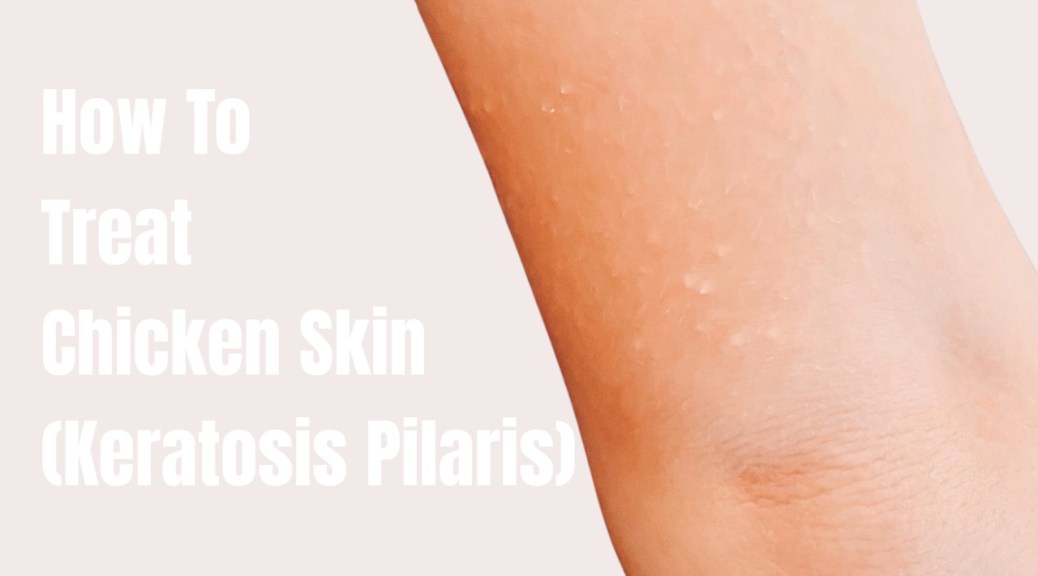
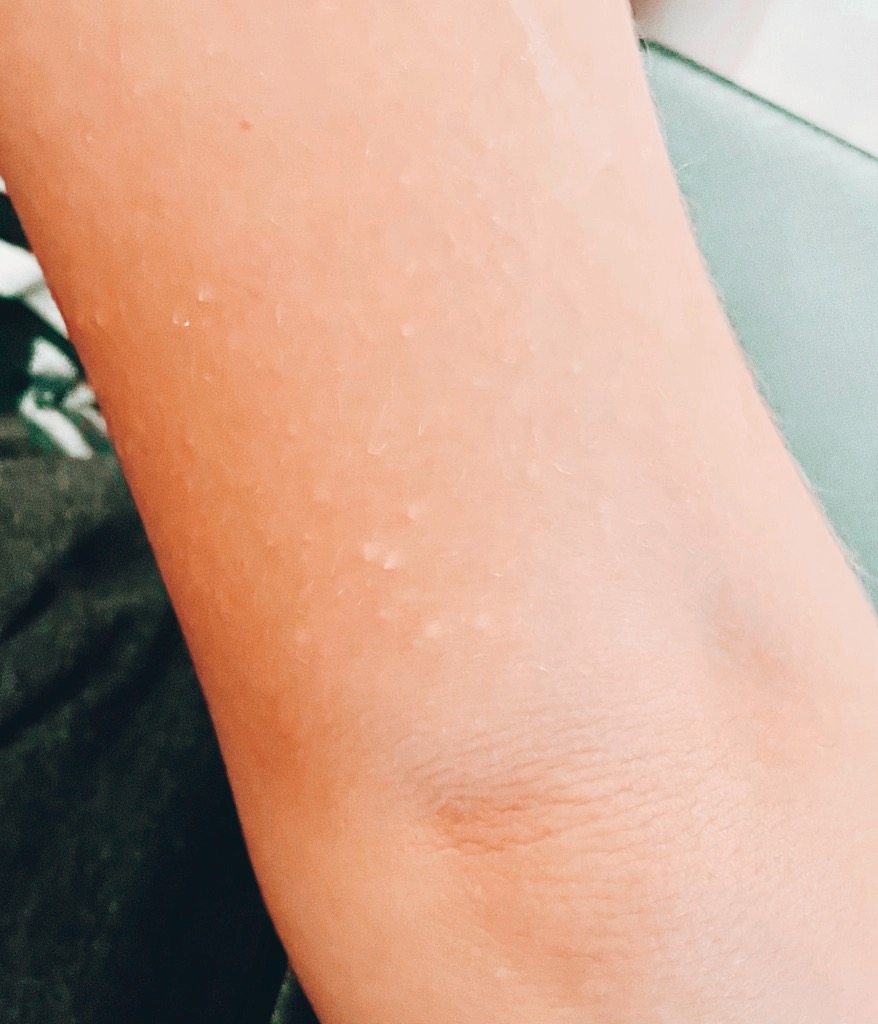
Keratosis pilaris is a harmless skin condition that causes tiny rough bumps to appear around hair follicles. These bumps happen when keratin, a natural protein in the skin, builds up and plugs the hair follicles.
Keratin normally protects the skin from infections and environmental damage. However, when too much keratin accumulates, it forms small plugs that create the bumpy texture people describe as “chicken skin.”
Dermatology research suggests that keratosis pilaris affects a large percentage of children and adolescents, and many adults have it as well. It most commonly appears on:
- Upper arms
- Thighs
- Buttocks
- Cheeks in young children
The bumps can be skin-colored, slightly red, or sometimes darker depending on skin tone. They often feel rough to the touch but are generally not painful.
Why My Son Developed It
In our case, the bumps first appeared on my son’s arms and cheeks when he was younger. His skin was otherwise healthy, but the texture felt rough no matter how much moisturizer I applied.
After doing some research, I learned that keratosis pilaris often runs in families and is also linked to dry skin and genetics. Many dermatologists believe the condition is related to how the skin naturally sheds dead skin cells. Instead of shedding smoothly, the keratin builds up and blocks the follicles.
This is why traditional lotion alone usually does not completely fix the issue. The skin often needs both hydration and gentle exfoliation to loosen the keratin buildup.
What Helped My Son’s Skin
Over time, I found that a simple routine made the biggest difference. The key was being gentle but consistent.
Here are the things that helped the most.
Gentle Skincare
One of the first changes I made was switching to very gentle soaps and avoiding harsh products. Hot water and strong soaps can strip the skin barrier and make keratosis pilaris look worse.
Keeping showers warm rather than hot and using mild cleansers helped prevent additional dryness.
Moisturizing Regularly
Daily moisturizing was important. Keratosis pilaris tends to worsen when skin becomes dry, so keeping the skin hydrated helps soften the keratin plugs.
Creams tend to work better than thin lotions because they provide longer-lasting hydration.
Gentle Exfoliation
Because the bumps are caused by clogged follicles, gentle exfoliation can help loosen the buildup over time.
The key word here is gentle. Aggressive scrubbing can irritate the skin and make redness worse. Instead, mild exfoliation combined with good moisturizers helped gradually smooth the skin.
My Product Recommendations
Over time I found a few products that made a noticeable difference in smoothing out the bumps. These work because keratosis pilaris is caused by keratin buildup inside the hair follicles, so the goal is to help the skin shed dead skin cells more effectively while keeping it moisturized.
These are the products that helped us the most.
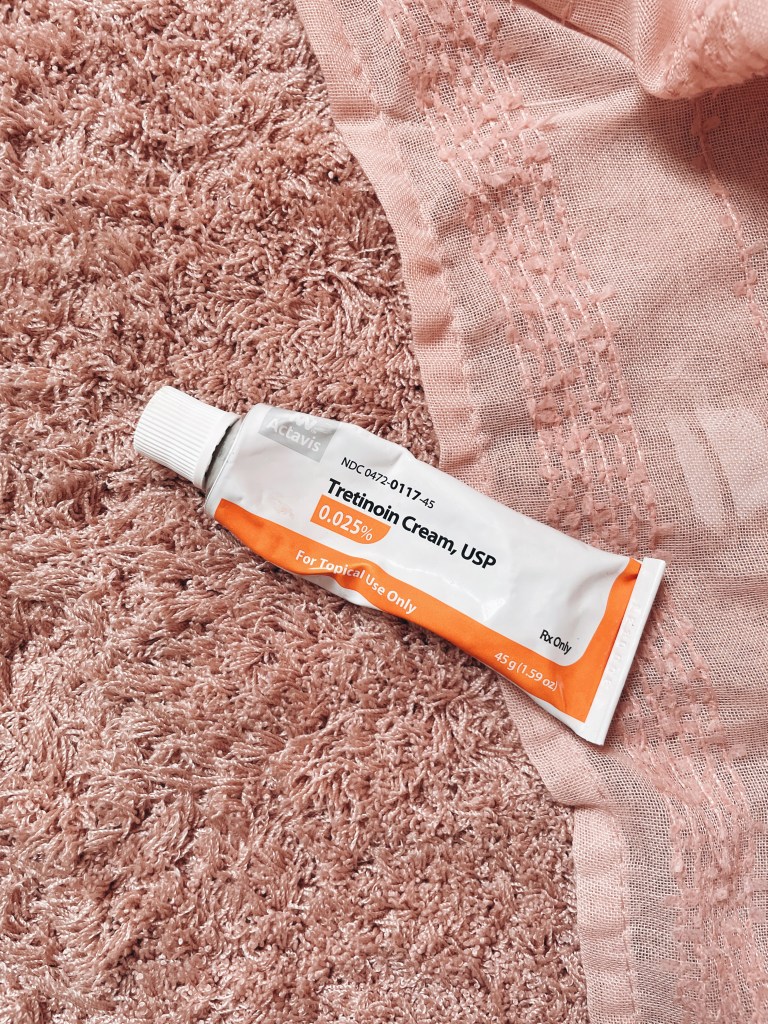
One product that dermatologists often recommend for keratosis pilaris is tretinoin, which is a vitamin A derivative known as a retinoid. Retinoids work by speeding up skin cell turnover, meaning they help the skin shed dead cells more efficiently. When the skin renews itself faster, keratin is less likely to build up and clog the hair follicles.
Because keratosis pilaris is essentially caused by clogged follicles, tretinoin can help gradually smooth the skin over time.
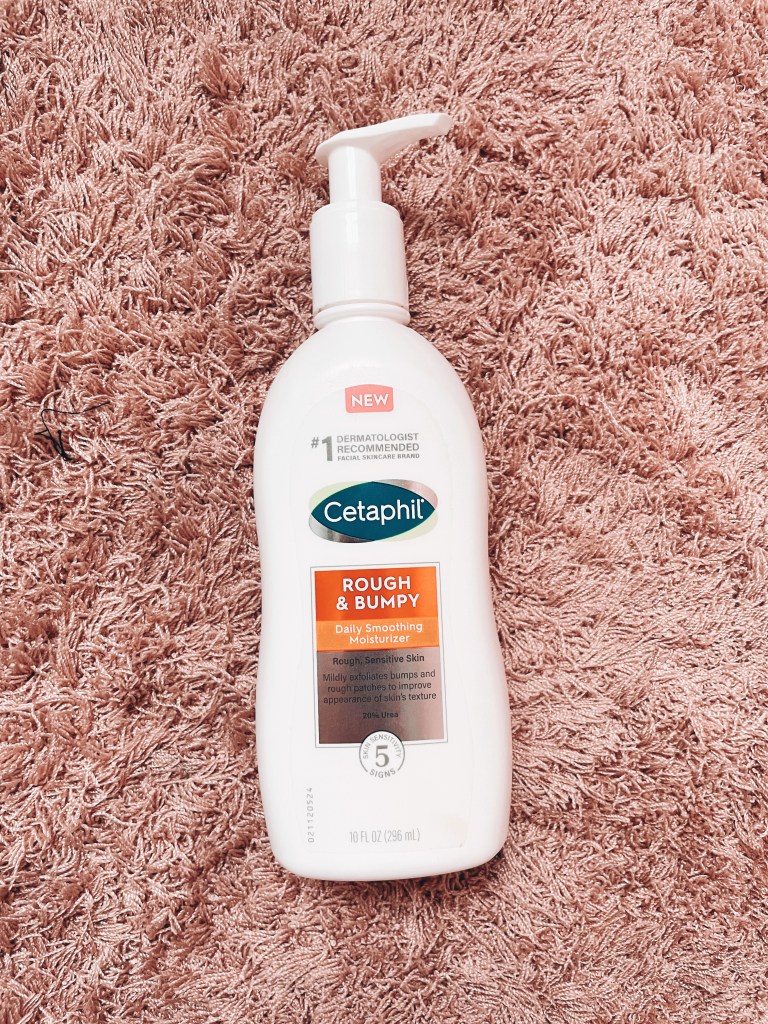
Cetaphil Rough & Bumpy Skin Lotion
Another product I really like is CeraVe Rough & Bumpy Skin Lotion. This lotion is formulated specifically for textured skin conditions like keratosis pilaris.
It contains ingredients such as salicylic acid and lactic acid, which gently exfoliate the skin and help dissolve the keratin plugs inside the follicles. At the same time, it also includes ceramides, which help repair the skin barrier and keep the skin hydrated. This combination of exfoliation and hydration is exactly what keratosis pilaris-prone skin needs.
Adapalene (Defferin Gel)
Another option people can order is adapalene, which is another type of retinoid that is available over the counter. Like tretinoin, adapalene helps normalize skin cell turnover so that dead skin cells do not accumulate and block hair follicles.
Adapalene is often considered a little gentler than tretinoin, which can make it a good option for people with sensitive skin or for teens.
The key with any of these products is consistency and patience. Because keratosis pilaris develops slowly over time, it also takes time for the skin to smooth out. With regular use, however, many people notice a significant improvement in the texture of their skin.
What I Learned About Keratosis Pilaris
One of the most important things I learned is that keratosis pilaris is completely harmless. It is a cosmetic skin condition rather than a medical problem.
Many children actually grow out of it as they get older because their skin naturally changes with age.
However, some adults continue to have it throughout life, especially if they tend to have dry skin.
The good news is that even though there is no permanent cure, consistent skincare can make a noticeable difference in how the skin looks and feels.
Final Thoughts
If your child has “chicken skin,” it can feel frustrating at first because regular lotion does not always seem to work. But once you understand that keratosis pilaris is caused by keratin buildup rather than simple dryness, the solution makes much more sense.
In our case, focusing on gentle skincare, moisturizing, and mild exfoliation helped improve my son’s skin over time.
If you are dealing with keratosis pilaris in your home, remember that it is very common and usually improves with simple, consistent care.
- Sustainable & Non-Toxic Easter Basket Fillers for Kids (75+ Eco-Friendly Ideas)

- 100 Wuthering Heights–Inspired Baby Girl Names (A–Z)

- 15 Life Skills Every Kid Should Learn Before Age 10

- 100 Healthy Amazon Snacks for Kids (School Snack Ideas Parents Love)

- What Is Eco Core? The Sustainable Lifestyle Trend Everyone Is Talking About


 Eco Mom Diaries