
This post contains affiliate links which may earn Eco Mom Diaries a commission.
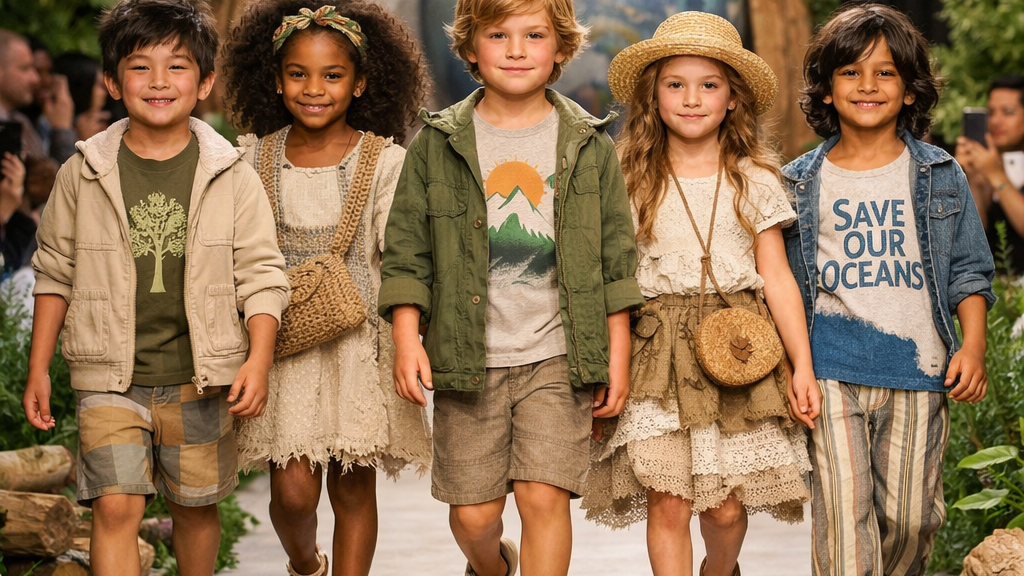
If you are trying to raise eco-conscious kids, clothing is a great place to start. Children’s clothes are often made with synthetic fabrics, harsh dyes, and fast-fashion manufacturing practices. But thankfully, many brands now offer organic cotton and sustainable kids clothing that is safer for children and gentler on the planet.
Even better? Many of these brands are available right on Amazon, making it easy for busy parents to shop responsibly.
In this guide, we will look at some of the best sustainable kids clothing brands on Amazon that focus on organic fabrics, ethical production, and comfortable styles for babies, toddlers, and big kids.
Why Choose Organic Clothing for Kids?
Children’s skin is more sensitive than adults’, and they absorb chemicals more easily. That is why many parents choose organic cotton clothing.
Organic fabrics are typically grown without toxic pesticides and processed with fewer harsh chemicals. This makes them softer and often better for kids with sensitive skin.
Other benefits include:
- Fewer pesticides and chemicals
- Softer fabric for sensitive skin
- More breathable clothing
- Lower environmental impact
- Often ethically produced
Organic kids clothing may cost a little more upfront, but many parents find the quality lasts longer and can be passed down to siblings.
1. Burt’s Bees Baby
One of the most recognizable organic children’s clothing brands available on Amazon is Burt’s Bees Baby. Known for its soft fabrics and adorable prints, the brand focuses on creating clothing made from 100% organic cotton that is gentle on children’s sensitive skin.
Organic cotton is grown without synthetic pesticides or harsh chemicals, which means the fabric is naturally softer and more breathable. This makes Burt’s Bees Baby clothing a popular choice for babies and toddlers who need comfortable clothing that will not irritate their skin.
Parents often appreciate that Burt’s Bees Baby combines sustainability with practicality. Their clothing is designed for everyday wear and includes features such as stretchy waistbands, tag-free labels, and durable stitching. Many families also note that the clothing holds up well after repeated washing, making it perfect for hand-me-downs between siblings.
Another reason this brand is so popular is its classic and cozy design style. Many of their pieces feature sweet nature-inspired prints such as bees, flowers, forest animals, and simple stripes. The color palettes are often neutral and calming, which makes mixing and matching outfits very easy.
Some of the most popular Burt’s Bees Baby items include:
- Organic cotton baby pajamas
- Footed sleepers for infants
- Organic bodysuits and rompers
- Toddler pajama sets
- Cozy organic cotton blankets
For parents who want to start transitioning their children’s wardrobe toward more eco-friendly fabrics, Burt’s Bees Baby is often considered a great entry point into organic kids fashion because the brand is widely available and reasonably priced compared to many other organic clothing brands.
2. Touched by Nature
Touched by Nature is another excellent brand that offers affordable organic clothing options for babies and toddlers. The company focuses on creating comfortable everyday clothing made with soft organic cotton fabrics that are gentle for delicate skin.
Many parents discover this brand when they are searching for budget-friendly organic clothing on Amazon. Unlike some sustainable clothing brands that can be quite expensive, Touched by Nature often sells clothing in multipacks, which allows families to build a simple organic wardrobe without spending a fortune.
The brand is particularly known for its sweet, playful designs. Many items feature woodland animals, florals, cheerful colors, and cozy patterns that are perfect for babies and young children. These designs make the clothing both practical and adorable for everyday use.
Another reason parents enjoy this brand is the lightweight and breathable fabric. Organic cotton allows air to circulate better than many synthetic materials, which helps children stay comfortable during playtime or sleep.
Popular pieces from Touched by Nature include:
- Organic cotton dresses for toddlers
- Baby bodysuit multipacks
- Organic sleepwear and pajamas
- Layette sets for newborns
- Soft cotton leggings and tops
For families who want to explore sustainable clothing but still need affordable options for quickly growing children, Touched by Nature provides a wonderful balance of eco-friendly materials and accessible pricing.
3. Colored Organics
If you love minimalist, neutral children’s clothing, Colored Organics is a If you appreciate minimalist children’s clothing with a timeless aesthetic, Colored Organics is a brand worth exploring. Their clothing is made with GOTS-certified organic cotton, which is one of the highest standards for organic textiles.
GOTS certification ensures that the cotton is grown without harmful chemicals and that the clothing is produced using environmentally responsible and ethical manufacturing practices. This means parents can feel confident that their purchase supports both sustainable agriculture and responsible labor practices.
One of the things that sets Colored Organics apart is its beautiful color palette. Instead of bright synthetic colors, the brand often uses soft earthy tones such as clay, olive, sand, and dusty rose. These neutral shades create a calm, natural look that many parents love.
The clothing is also designed to be long-lasting and versatile. Because the pieces are simple and neutral, they can easily be mixed and matched to create multiple outfits. Many families enjoy using Colored Organics pieces as part of a minimalist capsule wardrobe for children.
Popular items from Colored Organics include:
- Organic cotton twirl dresses
- Soft baby rompers
- Cozy hoodies and jogger sets
- Organic cotton leggings
- Long sleeve everyday tops
Many parents find that the quality of the fabric allows these pieces to be passed down between siblings, making them a thoughtful investment for families who want to reduce clothing waste.
4. HonestBaby Clothing
Another popular brand that fits well into a sustainable kids wardrobe is HonestBaby Clothing. This brand is part of The Honest Company and focuses on creating comfortable clothing made primarily from GOTS-certified organic cotton. Organic cotton is grown without toxic pesticides or synthetic fertilizers, making it a safer and more environmentally friendly option for children’s clothing.
Because babies and young children have delicate skin, many parents prefer clothing made from natural fibers that are soft and breathable. HonestBaby clothing is designed with this in mind. The organic cotton fabric feels gentle against the skin while also allowing airflow, which helps keep kids comfortable throughout the day and night.
One reason HonestBaby has become so popular among parents is its focus on practical everyday clothing. Many items are sold in multipacks, which makes it easier to build a simple wardrobe of organic basics without spending a lot of money. These multipacks are especially helpful for babies who need frequent clothing changes.
HonestBaby clothing is also known for its playful patterns and cheerful designs. You will often find adorable prints such as animals, rainbows, stars, and nature-inspired themes. These fun designs make the clothing both stylish and practical for everyday wear.
Parents also appreciate that the clothing is designed with comfort and convenience in mind. Many pieces include features such as stretchable neck openings, tag-free labels, and flexible waistbands that allow babies and toddlers to move freely.
Some popular HonestBaby items include:
- Organic cotton baby bodysuit multipacks
- Soft organic cotton pajamas
- Toddler pajama sets
- Organic cotton playwear sets
- Baby hats, socks, and blankets
Because the brand focuses on organic materials, comfortable designs, and affordable pricing, HonestBaby has become one of the most widely recognized sustainable clothing brands for babies and young children.Amazon Aware can be a practical and accessible starting point.
5. Finn + Emma
Finn + Emma is a well-loved organic baby clothing brand that combines sustainability with playful design. The company uses GOTS-certified organic cotton and eco-friendly dyes, ensuring that their products are safe for children and better for the environment.
One of the standout features of Finn + Emma clothing is its unique artistic style. Many pieces feature fun graphics, modern patterns, and whimsical designs that feel both stylish and child-friendly. These designs make the clothing feel a bit more special compared to basic baby clothes.
The brand also places a strong focus on ethical production practices. Many of their products are made in fair-trade certified facilities, which helps support safe working conditions and fair wages for workers.
Parents often choose Finn + Emma because the clothing feels luxuriously soft and thoughtfully made. The organic cotton fabric is breathable and comfortable, which makes it ideal for babies who spend much of their time sleeping, crawling, and exploring.
Popular Finn + Emma products include:
- Organic graphic bodysuits
- Baby pajama sets
- Organic cotton rompers
- Cozy baby hats and accessories
- Organic toys and play items
For families who appreciate sustainable products that are both ethical and beautifully designed, Finn + Emma offers a wonderful combination of eco-friendly materials and charming style.
6. Parade Organics
Another beautiful brand worth adding to your sustainable kids wardrobe is Parade Organics. This brand focuses on GOTS-certified organic cotton clothing for babies and toddlers, making their pieces both environmentally friendly and incredibly soft for delicate skin.
Parade Organics is known for its simple, nature-inspired designs and cozy fabrics. Their clothing is made with organic cotton that is grown without harmful pesticides or toxic chemicals. This makes the fabric breathable, gentle, and ideal for babies and young children who have sensitive skin.
Parents especially love Parade Organics because their clothing is designed to be comfortable, durable, and easy to mix and match. Many of their pieces feature neutral colors and playful prints inspired by nature, which makes them perfect for everyday wear.
Some popular Parade Organics items include:
- Organic cotton footed sleepers
- Organic baby bodysuits
- Cozy toddler pajama sets
- Soft organic cotton hats and mittens
These pieces are great staples for building a simple, sustainable wardrobe for babies and toddlers. Because the clothing is made with high-quality organic cotton, many parents find the pieces last long enough to pass down to younger siblings.
If you are looking for clothing that is soft, sustainable, and thoughtfully made, Parade Organics is a wonderful brand to explore alongside other eco-friendly options on Amazon.
7. Little Planet by Carter’s
Another wonderful brand to consider when building a more sustainable kids wardrobe is Little Planet by Carter’s. This collection was created as Carter’s eco-focused line and features clothing made primarily from GOTS-certified organic cotton and other sustainable materials.
Organic cotton is grown without harmful pesticides or toxic chemicals, making it a softer and more breathable fabric for babies and young children. Because kids often have sensitive skin, many parents prefer organic fabrics that reduce exposure to harsh dyes and chemicals.
Little Planet also emphasizes simple, timeless designs inspired by nature. Many pieces come in calming earth tones such as sage green, soft cream, dusty blue, and warm beige. These neutral colors make the clothing easy to mix and match, which is helpful for parents trying to build a smaller, more sustainable wardrobe.
Another thing parents love about this brand is that it focuses on comfortable everyday essentials. The fabrics are lightweight and breathable, while the designs are practical for active babies and toddlers.
Some popular Little Planet items include:
- Organic cotton baby sleepers
- Soft organic bodysuits
- Organic cotton toddler pajamas
- Neutral-colored cotton joggers
- Cozy organic cotton baby blankets
Because Little Planet clothing is made with durable organic cotton, many families find the pieces hold up well over time. This makes them perfect for passing down to younger siblings or donating once children outgrow them.
For parents looking for a more affordable entry into organic kids fashion, Little Planet by Carter’s is a great option because it combines sustainable fabrics with the accessibility of a well-known children’s brand.
8. Mightly Organic Clothing
Another fantastic brand to include in a sustainable kids wardrobe is Mightly Organic Clothing. This children’s clothing company focuses on creating fun, comfortable clothing made from 100% GOTS-certified organic cotton, one of the highest standards for organic textiles.
Organic cotton is grown without toxic pesticides or harmful chemicals, making it safer for both the environment and children’s sensitive skin. Because the fabric is naturally breathable and soft, it is especially comfortable for kids who spend their days running, playing, and exploring.
Mightly was created by three moms who wanted to design affordable, durable clothing made with ethical and sustainable practices. Their mission is to make eco-friendly kids fashion accessible for families while still producing clothing that holds up to everyday play.
One of the things that makes Mightly stand out is its commitment to Fair Trade Certified manufacturing. This means the clothing is produced in factories that provide safe working conditions and fair wages for workers. Choosing brands that prioritize fair labor practices helps support a more responsible and transparent fashion industry.
Mightly clothing is also designed with durability in mind. Reinforced seams and high-quality organic cotton fabrics help the pieces last longer, which reduces clothing waste and makes them ideal for hand-me-downs between siblings.
Parents often appreciate the brand’s bright colors and playful designs, which appeal to kids while still maintaining sustainable materials and ethical production.
Popular Mightly pieces include:
- Organic cotton pajama sets
- Graphic tees made from organic cotton
- Reinforced knee leggings for active kids
- Organic cotton dresses with pockets
- Comfortable hoodies and everyday basics
Because Mightly focuses on both ethical production and affordability, it has become a favorite brand for parents who want sustainable clothing without paying luxury prices.
9. Monica + Andy
Another beautiful brand to include in a sustainable kids wardrobe is Monica + Andy. This Chicago-based company focuses on creating baby and children’s clothing using GOTS-certified organic cotton, which is considered one of the highest standards for organic textiles.
Organic cotton is grown without harmful pesticides or synthetic fertilizers, making it a safer option for both children and the environment. Because babies and toddlers have delicate skin, many parents prefer clothing made from natural fibers that are soft, breathable, and free from harsh chemicals. Monica + Andy uses these organic fabrics to create clothing that feels incredibly gentle and comfortable for everyday wear.
One of the things that makes Monica + Andy unique is its focus on heirloom-quality clothing. The brand designs pieces that are durable enough to last through many washes and multiple children. This durability helps reduce clothing waste and supports the idea of passing garments down between siblings or friends.
The brand is also known for its thoughtfully designed collections and charming prints. Many of their pieces feature playful patterns, soft pastel colors, and nature-inspired themes. These designs make the clothing feel both stylish and practical for babies and toddlers.
Another aspect that appeals to eco-conscious parents is the brand’s commitment to ethical and transparent production practices. Many of Monica + Andy’s suppliers and factories follow Global Organic Textile Standard guidelines, which help ensure responsible manufacturing and better working conditions throughout the supply chain.
Popular Monica + Andy items include:
- Organic cotton baby bodysuits
- Soft baby pajama sets
- Organic cotton rompers and dresses
- Cozy baby blankets
- Layette sets and newborn essentials
Because Monica + Andy combines organic materials, high-quality fabrics, and adorable designs, it has become a favorite brand for parents who want clothing that is both sustainable and beautifully made.
10. O2BABY
Another brand that parents searching for organic children’s clothing often discover is O2BABY. This company focuses on creating baby and toddler clothing made with organic cotton fabrics that are soft, breathable, and comfortable for everyday wear.
Organic cotton is grown without harsh pesticides or chemical fertilizers, which makes it a more environmentally friendly option compared to conventional cotton. Because babies and young children have sensitive skin, many parents prefer clothing made from natural fibers that are gentle and free from unnecessary chemicals.
O2BABY clothing is designed with both comfort and durability in mind. The fabrics are lightweight and breathable, allowing children to move freely while playing, crawling, or sleeping. Many pieces are also designed with practical features such as stretchy waistbands, snap closures, and soft seams that help make dressing babies and toddlers easier.
Another appealing feature of the brand is its simple, nature-inspired design style. Many O2BABY collections include soft pastel colors, cozy neutral tones, and playful prints that work well for everyday outfits. These designs allow parents to mix and match pieces easily when building a small, practical wardrobe for their children.
Parents often choose O2BABY because it offers organic cotton clothing at a relatively accessible price point, which makes sustainable clothing more attainable for families.
Popular O2BABY items include:
- Organic cotton baby sleepers
- Soft bodysuits for newborns and infants
- Cozy toddler pajama sets
- Organic cotton dresses and rompers
- Comfortable everyday tops and leggings
Because the brand focuses on natural fabrics, simple designs, and everyday practicality, O2BABY has become a favorite option for parents looking to add more organic clothing to their child’s wardrobe without dramatically increasing their clothing budget.
What to Look for in Sustainable Kids Clothing
Not every brand that says “eco” is truly sustainable. When shopping on Amazon, look for these certifications:
✔ GOTS (Global Organic Textile Standard)
✔ OEKO-TEX certification
✔ Organic cotton labels
✔ Fair trade production
These labels help ensure the clothing is safer for kids and produced responsibly.
Tips for Building a Sustainable Kids Wardrobe
Raising eco-conscious kids does not require replacing everything overnight. Instead, try these simple tips:
1. Buy fewer, higher-quality pieces
Well-made clothing lasts longer and can be passed down.
2. Choose neutral colors
These mix easily and reduce the number of clothes needed.
3. Shop secondhand when possible
Kids grow quickly, so gently used clothing is often still in great condition.
4. Focus on natural fabrics
Organic cotton, linen, and bamboo fabrics are popular eco-friendly choices.
Final Thoughts
Sustainable kids fashion is becoming easier to find, and Amazon now offers several brands focused on organic cotton, ethical production, and eco-friendly materials.
Whether you are shopping for baby pajamas, toddler outfits, or everyday basics, brands like Burt’s Bees Baby, Touched by Nature, Colored Organics, Finn + Emma, and Amazon Aware make it simple to choose clothing that is kinder to your child and the environment.
Small changes—like choosing organic fabrics—can help create a healthier home while also supporting a more sustainable future for the next generation.

- Simple CVC Word Building Activity for Beginning Readers (Great for Autism and Early Literacy)
- Liposomal NAD: The Anti-Aging Supplement I Added to My Routine (And Why I Keep Taking It)

- Sustainable Kids Fashion Brands on Amazon (Organic & Eco-Friendly Clothes for Children)
- Raising Wild Kids: The Sustainable Parenting Trend Every Family Should Try

- How to Create an Eco-Friendly Mother’s Day Gift Basket (Sustainable Gift Basket Ideas Moms Will Love)









 Eco Mom Diaries