
This post contains affiliate links which may earn Eco Mom Diaries a commission.
A Simple Guide to Raising Capable, Confident Kids
Modern childhood looks very different than it did a generation ago. Many kids spend their afternoons rushing between activities, sports practices, and homework while screens compete for their attention at every turn.
Yet something important can get lost in all that busyness: learning everyday life skills.
More parents are beginning to focus on teaching practical abilities at home rather than overscheduling their children. These skills help kids become independent, confident, and capable long before they leave the nest.
The best part is that children actually enjoy learning these skills when they are taught in fun and natural ways.
Here are 15 essential life skills every child can begin learning before age 10.
1. Doing Laundry
Laundry may not seem exciting, but it is one of the most practical life skills children can learn.
Even young kids can help sort clothes into lights and darks or match socks from the dryer. Older children can begin measuring detergent, choosing wash settings, and folding clean clothes.
Learning how to do laundry teaches responsibility and helps children understand how to care for their belongings. It also prepares them for the day when they eventually live on their own and realize laundry does not magically clean itself.
2. Basic Cooking Skills
Cooking is one of the most empowering skills children can develop.
Kids can begin by washing vegetables, stirring ingredients, or helping measure flour. As they grow older, they can start preparing simple meals such as:
• scrambled eggs
• sandwiches
• smoothies
• salads
• pancakes
Cooking also strengthens math skills through measuring and introduces children to healthy food choices.
Many kids feel incredibly proud when they serve a meal they helped create.
3. Writing Thank-You Notes
Gratitude is a life skill that never goes out of style.
Encouraging children to write thank-you notes after birthdays, holidays, or acts of kindness helps them develop thoughtfulness and strong communication skills.
The note does not need to be perfect. A simple message expressing appreciation teaches children that kindness and gratitude matter.
In a digital world filled with quick texts and emojis, a handwritten thank-you note feels extra special.
4. Budgeting an Allowance
Money management is something many adults wish they had learned earlier.
Giving children a small weekly allowance helps them understand the basics of spending, saving, and giving.
Some families use three jars labeled:
• spend
• save
• give
This simple system teaches children how to think carefully about their money and encourages patience when saving for something they truly want.
5. Growing Vegetables
Gardening is a wonderful life skill that connects children with nature.
Planting vegetables allows kids to watch tiny seeds transform into something they can actually eat. It teaches patience, responsibility, and appreciation for where food comes from.
Easy vegetables for kids to grow include:
• cherry tomatoes
• lettuce
• cucumbers
• green beans
• carrots
Watching their plants grow often makes children excited to eat the food they helped produce.
6. Basic Sewing
Sewing may seem like an old-fashioned skill, but it is incredibly useful and creative.
Children can begin by learning how to sew a button or make simple stitches. These small projects help develop patience, fine motor skills, and creativity.
Simple beginner projects might include:
• sewing a button
• repairing a small tear
• making a small pillow
• creating a drawstring bag
Sewing also teaches children that clothing can be repaired instead of thrown away, which encourages sustainability.
7. Cleaning and Tidying Up
Cleaning is an important life skill that helps children take pride in their surroundings.
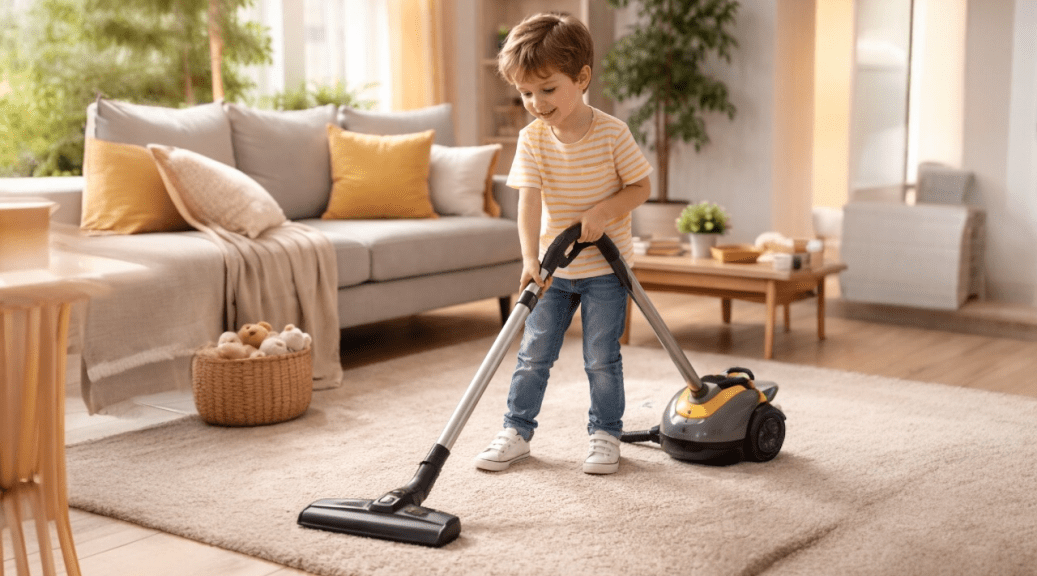
Young kids can begin with simple tasks like putting away toys, wiping the table, or helping sweep the floor. As they grow older, they can learn bigger tasks such as vacuuming, organizing their room, and helping with dishes.
When children participate in cleaning, they learn that maintaining a home is a shared responsibility.
8. Ordering Food Politely
Many children feel nervous speaking to adults outside their family. Teaching kids how to politely order food at a restaurant builds confidence and communication skills.
Encourage children to make eye contact and say something simple like:
“May I please have the grilled cheese?”
“Thank you.”
These small interactions help children feel more comfortable communicating in everyday situations.
9. Packing Their Own Backpack
Organization is an important skill that children can begin learning early.
Kids can start packing their own backpacks by checking that they have homework, folders, and supplies ready for school.
This simple habit helps children develop responsibility and learn that preparation makes their day easier.
10. Basic First Aid
Learning basic first aid helps children feel calm and confident when small accidents happen.
Kids can learn how to:
• clean a small cut
• apply a bandage
• recognize when an adult should help
These simple lessons empower children to handle minor situations with confidence.
11. Reading a Simple Recipe
Following a recipe helps children practice reading instructions and measuring ingredients.
Simple recipes such as muffins, pancakes, or homemade pizza are great beginner options.
Cooking from a recipe also teaches patience and attention to detail—skills that benefit children in many areas of life.
12. Making Their Bed
Making the bed may seem like a small habit, but it builds discipline and routine.
Children who start their day by completing a small task often feel more organized and prepared for the day ahead.
Small daily habits like this help children develop independence and responsibility.
13. Writing and Addressing Mail
While many people communicate digitally today, knowing how to send mail is still a valuable skill.
Children can learn how to:
• write a short letter
• address an envelope
• place a stamp correctly
Sending letters to grandparents or friends can make this activity especially fun.
14. Understanding Time
Time awareness helps children manage responsibilities more independently.
Kids can learn how to:
• read a clock
• estimate how long homework takes
• prepare for school on time
These skills help children develop strong time management habits.
15. Simple Home Repairs
Kids love learning how things work.
Teaching children basic repair skills—such as tightening a screw, replacing batteries, or using simple tools—helps them feel capable and curious.
These small lessons build problem-solving skills and confidence.
Why Teaching Life Skills Matters
Life skills are not just about preparing children for adulthood. They help kids feel capable, independent, and confident in everyday situations.
When children cook dinner, fold laundry, plant vegetables, or sew a button, they learn that they can contribute to their family and take care of themselves.
In a world where childhood can sometimes feel rushed and overscheduled, these simple lessons create meaningful moments that children will remember for years.
Sometimes the most important learning happens during ordinary moments at home.






- 15 Life Skills Every Kid Should Learn Before Age 10
- 100 Healthy Amazon Snacks for Kids (School Snack Ideas Parents Love)

- What Is Eco Core? The Sustainable Lifestyle Trend Everyone Is Talking About

- 18 Best Seafood Restaurants in Destin and Fort Walton Beach (Local Favorites)

- Quiet Luxury for Less: The Old Money Capsule Wardrobe You Can Build on Amazon


 Eco Mom Diaries