
This post contains affiliate links which may earn Eco Mom Diaries a commission.
If you are teaching a child how to read, one of the most powerful things you can do is help them recognize letter sounds and build simple words. This easy CVC word building activity is a hands-on way for children to practice reading while also staying engaged and focused.
This activity works beautifully for beginning readers, preschoolers, kindergarten students, and early elementary learners. It is also especially helpful for students with autism, ADHD, or other learning differences because it combines visual learning, movement, and tactile materials.
The best part? You can easily create your own version using Canva, laminated sheets, magnetic letters, or wooden letters.
What Is a CVC Word?
CVC stands for consonant–vowel–consonant. These are some of the first words children learn to read because they follow simple sound patterns.
Examples include:
- map
- cap
- tap
- nap
- lap
Once children learn to blend the sounds together, they begin to understand how reading works.
For example:
m + ap = map
This simple blending skill builds the foundation for early reading success.
Why CVC Words Are Important for Early Reading
CVC words are some of the first words children learn when developing phonics skills. These simple consonant–vowel–consonant patterns help students practice blending sounds and recognizing common word structures.
Once children become comfortable reading words like:
- map
- cap
- tap
- nap
they begin to understand how letters work together to form words. This is an important step toward becoming a confident reader.
Why This Activity Works So Well
Many children struggle with traditional worksheets. Hands-on learning can make a huge difference, especially for young learners or neurodivergent students.
This activity helps children:
- recognize beginning letter sounds
- blend sounds into words
- connect pictures to written words
- strengthen phonics skills
- stay engaged with a tactile activity
Because students physically place letters on the worksheet, it turns reading into a multi-sensory learning experience.
This is particularly helpful for autistic learners, who often benefit from visual supports and hands-on learning rather than abstract instruction.
Age Range for This Activity
This activity works well for a wide range of beginning readers.
Recommended ages:
Preschool (ages 4–5)
Children beginning to recognize letters and sounds.
Kindergarten (ages 5–6)
Students learning phonics and blending sounds.
First Grade (ages 6–7)
Children strengthening early reading skills.
It is also excellent for:
- struggling readers
- special education students
- English language learners
- autistic learners
- homeschool students
Because the activity is simple and flexible, it can easily be adapted to meet different learning needs.
Download the Printable Worksheets
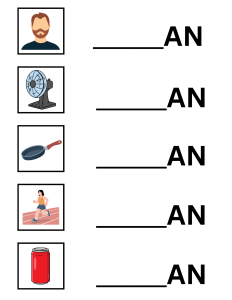
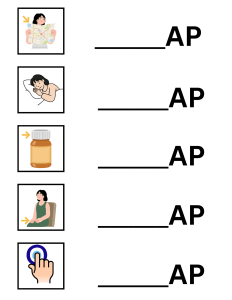
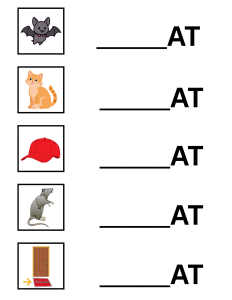
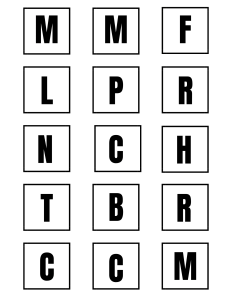
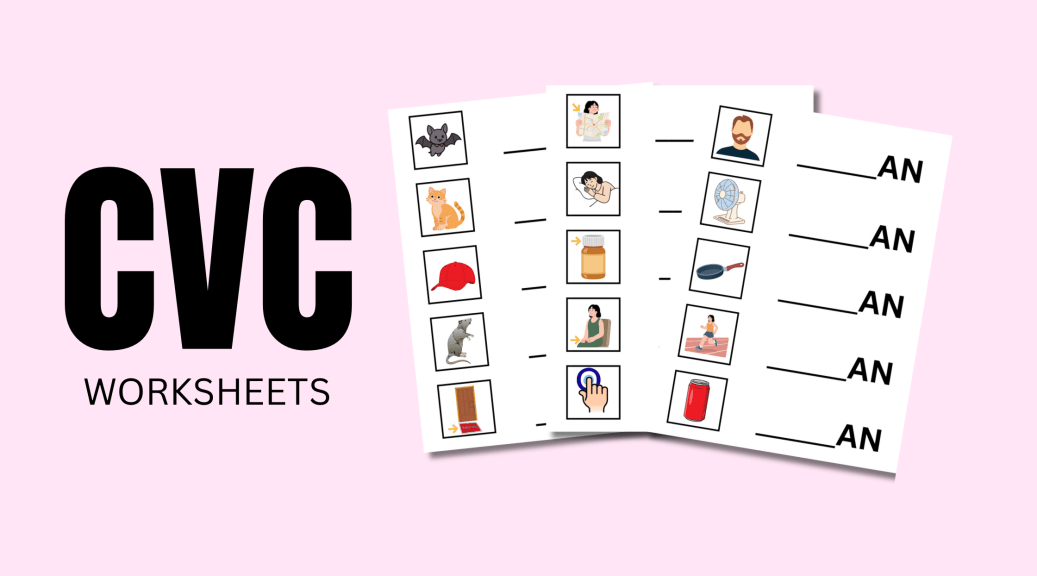
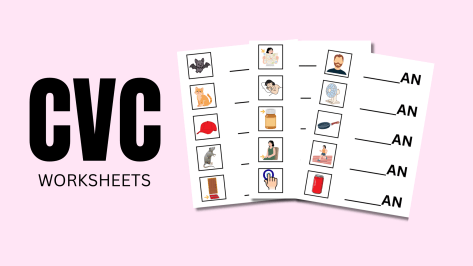
To make this activity easy to use, I created a printable CVC word worksheets that you can download and use with your students or children. Once you download the page, simply print it out and gather a few simple materials to turn it into a reusable reading activity.
One of the best ways to use this printable is to laminate the worksheets so it can be used again and again. When laminated, children can write the missing letter using dry erase markers, and wipe the page clean after each word. You can also print out the extra letters and attach Velcro. This makes it perfect for literacy centers, homeschool lessons, or small group reading practice.
Another fun option is to use wooden letters, magnetic letters, foam letters, or plastic alphabet tiles. Instead of writing the letter, students place the correct letter on the blank line to complete the word. This turns the worksheet into a hands-on phonics activity, which is especially helpful for young learners and students who benefit from tactile learning.
Because this activity uses pictures and simple CVC words, it works well for preschool, kindergarten, first grade, beginning readers, homeschool learners, and students with autism or other learning differences. The clear visuals and structured format help children focus on the important reading skill of identifying beginning sounds and blending letters into words.
You can also keep the laminated sheets in a literacy station or reading center, allowing students to practice independently throughout the week. With just one printable and a few alphabet letters, you have a simple activity that helps build strong early reading skills.
Children place the correct beginning letter to complete the word.
For example:
_ ap → map
_ ap → cap
_ ap → nap
This makes the activity perfect for learning centers, reading stations, or homeschool lessons.
How to Use This Activity
This activity can be used in several ways depending on your classroom setup.
Literacy Center
Place the worksheet at a phonics or reading center. Students can work independently or with a partner.
Small Group Instruction
Teachers or paraprofessionals can guide students through each word while practicing letter sounds.
Early Intervention
This activity works well for students who need extra support with phonics and decoding.
Autism Learning Stations
Because the task is structured and visual, it works very well for autism reading instruction.
Students simply:
- Look at the picture
- Say the word
- Choose the correct letter
- Place the letter on the line
This predictable routine helps reduce frustration and build confidence.
Why Multi-Sensory Reading Activities Matter
Research shows that children learn to read best when they can see, hear, and touch the letters and sounds they are learning.
Multi-sensory activities like this one:
- strengthen memory
- improve focus
- support struggling readers
- make learning more enjoyable
When children physically manipulate letters, they are building stronger connections between sounds and printed words.
Final Thoughts
Simple activities like this CVC word builder can make a huge difference when teaching a child how to read. Instead of relying only on worksheets, this activity allows students to actively participate in the learning process.
It works well for preschool, kindergarten, first grade, homeschool settings, and special education classrooms. Because it is easy to laminate and reuse, it also makes a great addition to literacy centers and reading stations.
Whether you are a teacher, homeschool parent, or caregiver, hands-on phonics activities like this can help young learners develop confidence, independence, and a love for reading.






- Simple CVC Word Building Activity for Beginning Readers (Great for Autism and Early Literacy)
- Liposomal NAD: The Anti-Aging Supplement I Added to My Routine (And Why I Keep Taking It)

- Sustainable Kids Fashion Brands on Amazon (Organic & Eco-Friendly Clothes for Children)

- Raising Wild Kids: The Sustainable Parenting Trend Every Family Should Try

- How to Create an Eco-Friendly Mother’s Day Gift Basket (Sustainable Gift Basket Ideas Moms Will Love)












 Eco Mom Diaries