
This post contains affiliate links which may earn Eco Mom Diaries a commission.
Modern parenting can sometimes feel overwhelming. Between busy schedules, endless activities, and a constant stream of new toys and gadgets, childhood today often looks very different than it did just a few generations ago. Many parents are beginning to ask an important question: Is there a simpler way to raise happy, healthy kids?
One growing answer is sustainable parenting.
Sustainable parenting is not only about buying eco-friendly products or choosing non-toxic toys. It is also about raising children who feel connected to nature, value simple living, and learn to appreciate the world around them. One parenting approach gaining popularity is the idea of raising “wild kids.” This does not mean letting children run completely without boundaries. Instead, it means encouraging outdoor exploration, curiosity, creativity, and hands-on learning in nature.
Many families are discovering that raising wild kids is one of the easiest and most meaningful ways to practice eco-friendly parenting.
What Does “Raising Wild Kids” Mean?
The idea behind raising wild kids is simple: children spend more time exploring the natural world and less time relying on screens, structured entertainment, or endless toys.
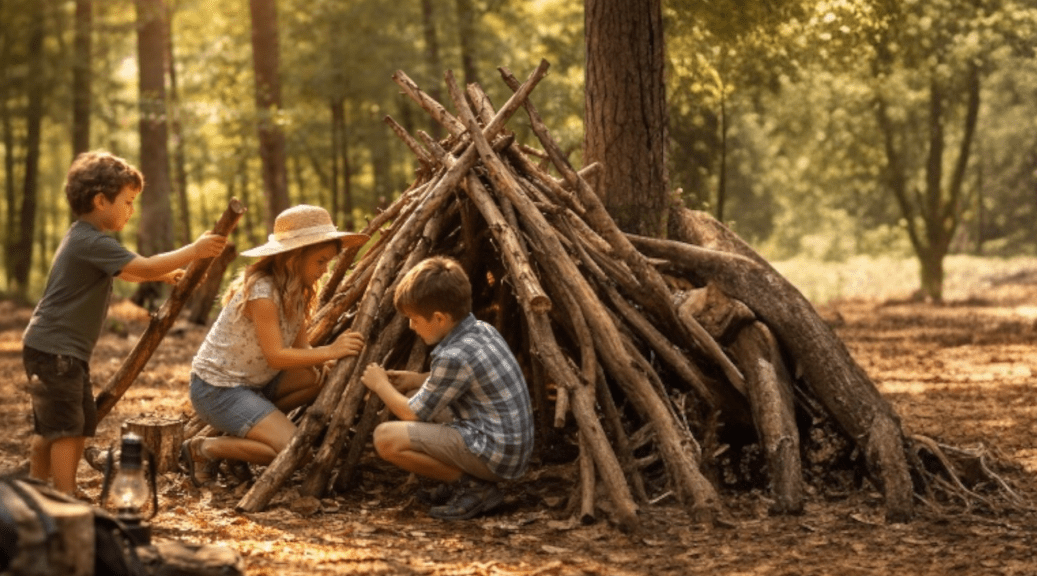
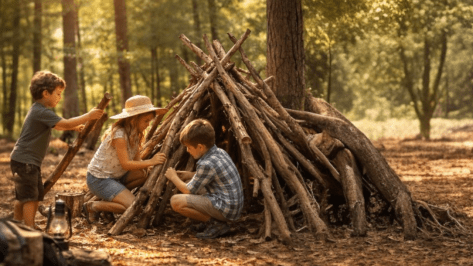
In the past, childhood naturally included outdoor adventure. Kids climbed trees, built forts, collected rocks, chased butterflies, and spent long afternoons playing outside with friends. Today, many families are intentionally bringing back this style of childhood because it encourages creativity, independence, and environmental awareness.
Nature-based parenting allows children to learn directly from the world around them. Instead of always being entertained by technology, kids learn how to create their own fun using imagination and natural materials.
This kind of play builds confidence and encourages kids to become curious about how the world works.
Why Sustainable Parenting Encourages Outdoor Play
Parents who focus on sustainable parenting often find that outdoor play becomes a natural part of their lifestyle. Time spent outside supports both environmental awareness and healthy childhood development.
When children regularly explore nature, they begin to develop a deeper appreciation for the environment. A child who has watched caterpillars turn into butterflies or planted seeds in a garden often grows up caring more about protecting the earth.
Outdoor play also reduces the need for constant consumption. When kids learn to entertain themselves outside, they often need fewer toys and gadgets. Sticks become magic wands. Rocks become treasure. A pile of leaves can turn into a castle or secret hideout.
Nature encourages imagination in ways that many modern toys cannot.
The Benefits of Nature-Based Parenting
Encouraging kids to spend more time outdoors offers many benefits for both children and families.
Children Develop Stronger Creativity
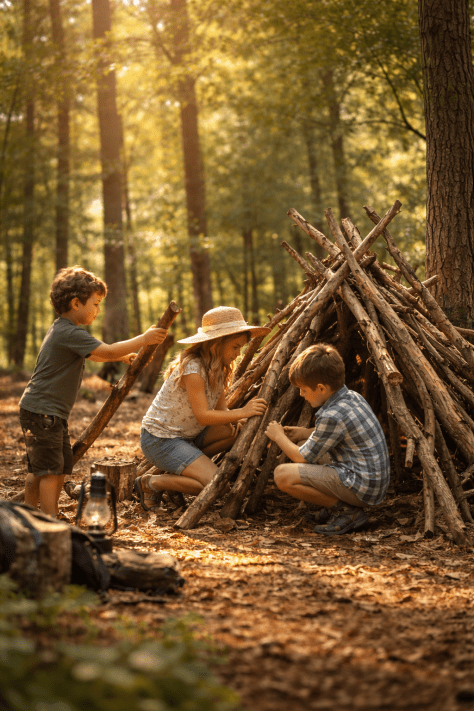
Nature play encourages children to think creatively and solve problems on their own. When kids build forts, create obstacle courses, or invent games outside, they are developing important thinking skills.
Kids Learn Environmental Responsibility
Children who feel connected to nature are more likely to grow into adults who care about protecting the planet. Sustainable parenting helps kids understand the importance of caring for plants, animals, and natural spaces.
Outdoor Play Supports Physical Health
Running, climbing, digging, and exploring all help children build strength, coordination, and balance. Outdoor play also supports mental health and helps reduce stress.
Less Consumerism, More Creativity
When families embrace simple outdoor play, they often discover they need far fewer toys and products. This naturally supports a more eco-friendly family lifestyle.
Simple Ways to Raise Nature-Loving Kids
You do not need to live in the countryside or own acres of land to raise kids who love nature. Small changes can make a big difference.
Spend Time Outside Every Day
Even a short walk around the neighborhood or a trip to a local park can help children feel connected to the outdoors. Fresh air and open spaces encourage curiosity and exploration.
Create a Backyard Adventure Space
Instead of filling your yard with plastic toys, consider adding simple natural elements such as:
- logs for balancing
- rocks for climbing
- a digging area
- a small garden bed
- a mud kitchen
Children often create their own imaginative games when given simple materials.
Grow Something Together
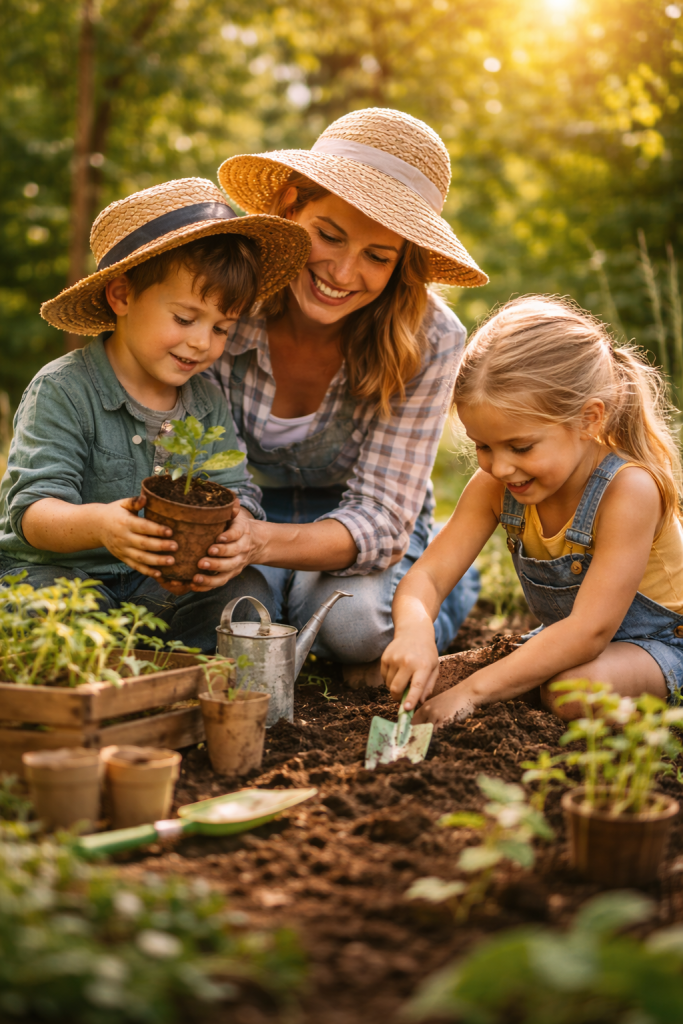
Gardening is one of the easiest ways to introduce kids to sustainability. Even a small container garden can teach children where food comes from and how plants grow.
Easy plants for kids to grow include:
Watching plants grow helps children develop patience and responsibility.
Try a Nature Scavenger Hunt
Kids love searching for things outdoors. A simple nature scavenger hunt can turn an ordinary walk into an exciting adventure.
Look for items like:
- a smooth rock
- a feather
- a yellow flower
- a butterfly
- a pinecone
Activities like this help children slow down and observe the world around them.
Why Slow Parenting Is Making a Comeback
Many parents today are realizing that childhood does not need to be perfectly scheduled or filled with constant activities. In fact, many families are embracing slow parenting, a lifestyle that encourages children to have more free time, creative play, and outdoor exploration.
Slow parenting aligns beautifully with sustainable living. Instead of focusing on more activities, more toys, and more entertainment, families focus on meaningful experiences and simple moments.
Children benefit from having space to explore, imagine, and discover things on their own.
Sustainable Parenting Is About Raising Future Stewards
At its heart, sustainable parenting is about more than eco-friendly products or reusable containers. It is about raising children who care about the planet and understand their place in the natural world.
When kids grow up exploring forests, gardens, parks, and backyards, they develop a sense of wonder and responsibility for the environment.
These experiences help shape the next generation of people who will protect and care for the earth.
Final Thoughts
Sustainable parenting does not have to be complicated. Sometimes the most powerful parenting choices are also the simplest ones.
A child digging in the dirt.
A family hike through the woods.
A garden growing in the backyard.
These small moments build curiosity, confidence, and a deep connection to nature.
Raising wild kids might just be one of the most meaningful ways to raise eco-conscious, creative, and resilient children in today’s world.







- Simple CVC Word Building Activity for Beginning Readers (Great for Autism and Early Literacy)

- Liposomal NAD: The Anti-Aging Supplement I Added to My Routine (And Why I Keep Taking It)

- Sustainable Kids Fashion Brands on Amazon (Organic & Eco-Friendly Clothes for Children)
- Raising Wild Kids: The Sustainable Parenting Trend Every Family Should Try
- How to Create an Eco-Friendly Mother’s Day Gift Basket (Sustainable Gift Basket Ideas Moms Will Love)


 Eco Mom Diaries