Category Archives: Sustainable Living

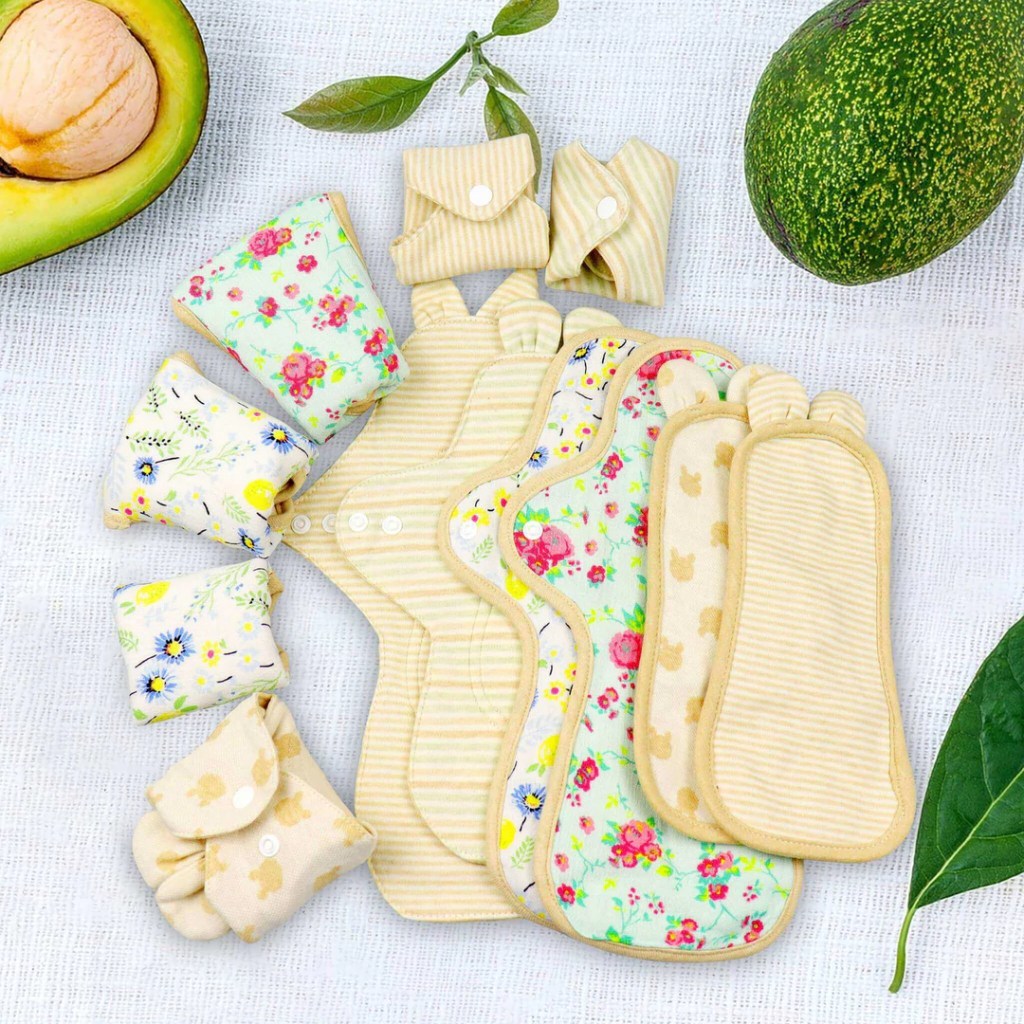
Best Zero Waste Period Kits For Beginners

How To Have A Zero Waste Period—Plus, Best Starter Kits!

This post contains affiliate links which may earn Eco Mom Diaries a small commission.

Each year in North America, roughly around 20 billion disposable pads and tampons make their way to the landfill where they sit around with other single-use products like baby diapers, water bottles and plastic straws that simply do not biodegrade.

Then there’s the issue of manufacturing single use sanitary pads which also creates a large carbon footprint, not to mention the impact they have on our health due to all the synthetic and toxic chemicals that are used to create them.

Rayon, dioxin, fragrance and chlorine are only a few of these hormone disrupting and cancer causing agents that we shouldn’t be voluntarily placing into our bodies. This stuff literally has a huge impact on your health.

What Do Zero Waste Menstrual Products Consist Of?

Luckily, there are a few healthy and environmentally friendly alternatives to traditional menstrual products:

  • Reusable menstrual cups
  • Reusable period pads
  • Reusable period underwear

Reusable is the key word in each of these zero-waste products. Although there are many eco-friendly period products that are biodegradable, they still take a long time to breakdown in landfills and contribute to carbon emissions.

So in order to qualify as “zero-waste”, your period products must be reusable. Plus, choosing against single use will help save water—because even organic cotton requires a ton to water to create just one tampon.

Which Zero Waste Menstrual Product Is Right For Me?

Now the big question: which one do you choose? Which one is best for your body and lifestyle?

The easiest thing to do when wanting to switch over to a new product (especially if it’s an environmentally friendly product which costs a few dollars more) is to purchase a kit.

Period kits allow you to sample and experiment with products that you would otherwise be too uncertain to buy, and many of them are worth the purchase.

Below you’ll find my recommended zero-waste menstrual kits. The items within all of these selected period kits are BPA free, non-toxic and will definitely save you a ton of money in the long run.

Zero Waste Menstrual Kit By The Zero Waste Store

Say goodbye to plastic tampon applicators and disposable pads that contain artificial fragrances, chemical gels, and adhesives. Better for your body, budget, and our Earth, this kit by the Zero Waste Store, will give you comfortable periods! The organic cotton pads are breathable, sustainable, super comfy, and provide ultimate leak protection. 

This sustainable period kit includes:

  • Mist Grey Saalt menstrual cup- Size small or regular (not pictured)
  • Reusable pantyliner- Organic cotton (white) or Black
  • Reusable day pad with two inserts- Organic cotton (white) or Black
  • Reusable Stasher Bag to hold your soiled reusables.

Pixie Menstrual Cup Starter Kit

If you’re searching for a tampon and pad alternative, than a soft silicone menstrual cup may be a great fit for you. And this menstrual cup starter kit by Pixie is the ultimate zero waste period kit. Non-toxic and BPA-free, this period kit contains two reusable silicone cups (one small and one large) which offer 12 hour protection and contain a 10 year life span.

Each person is different, and our flow varies from the beginning of our cycle to the end, so it’s really convenient to have two different size cups to choose from.

It also includes one microwavable sterilizing cup, one all natural and organic lubricant and one all natural and organic foaming wash and wipes for the purpose of cleaning your Pixie cups. Women are truly loving this period kit and you can get more info, to include reviews, on Amazon by clicking here.

Luna Cup Menstrual Starter Kit

If you’re not sure about your ability to use a silicone menstrual cup, or you’d like to use a combination of cups and pads to feel more confident or until you get the hang of it, then this Luna Cup menstrual starter kit is the perfect choice for you.

The Luna Cup menstral starter kit consists of 2 reusable cloth pads, two medical grade soft silicone menstrual cups (one small and one large), and one wet bag.

The reusable Luna period pads are made of 100% anti-bacterial and highly absorbent bamboo charcoal, and hold twice as much liquid as traditional disposable pads—which means you don’t have to change as much.

They also contain “wings” for extra protection, and are very easy to clean. Plus, how cute is the design! You can find more details about this kit on Amazon, to include reviews, and decide if you’d like to give this kit a try!

Saalt Menstrual Cup Kit

The Saalt Soft Duo Pack includes two sizes of ultra-soft silicone menstrual cups, storage bags, and last for up to 12 hours. They are BPA free, toxin free and cruelty free.

Saalt believes in keeping toxins out of our ecosystems and out of our bodies, which is why this eco-conscious brand meticulously monitors their supply chain and source only high-quality, medical-grade materials.

Saalt is a certified B Corp, and commits 2% of revenue to regions with the most need for period products.

Luna Cup Period Panty Kit

If you’d like to skip a silicone menstrual cup altogether, and stick to something less invasive, then this period panty and reusable pad combination by Luna Cup is perfect for you. I really like this kit because it’s hard to find a brand that sells pads and underwear together—giving you the freedom and convenience to see which works best for you.

I do, however, recommend panties for lighter period days and definitely not when and if you have a heavy flow.

These comfortable and breathable period panties are made of 95% cotton and 5% spandex. The inner lining has waterproof backing, so don’t worry about leakage! If you’d like more details and sizing information, click here to be taken to Amazon.

Lunette Menstrual Cup Kit

The Lunette Menstrual Cup Kit is another great zero waste kit for beginners. Each cup can last up to 12 hours, and comes with accessories for cleaning and storage.

The liquid cleaner and wipes are completely organic, vegan, and sulfite and paraben-free—with only ingredients that you can recognize.

The Lunette Menstrual Cup Kit includes :

  • Lunette Menstrual Cup 
  • Lunette Feelbetter Cup Cleanser 
  • Lunette Cupwipes 
  • Lunette Cotton pouch 
  • Lunette Booklet

LuckyPads | Organic Cotton Pads

If you prefer organic cotton to bamboo period pads, consider a starter pack of reusable organic cotton menstrual pads at LuckyPads. The fabric is breathable, non-toxic, and can easily be thrown into the wash countless times. Plus, the designs are really cute!

My favorite thing about cotton pads as opposed to bamboo (or flannel) is that they don’t trap heat and are much more comfortable to wear. And the fact that these are organic cotton, makes them 100 times more healthier and eco-friendly than other cotton menstrual pads.

Processing…
Success! You're on the list.

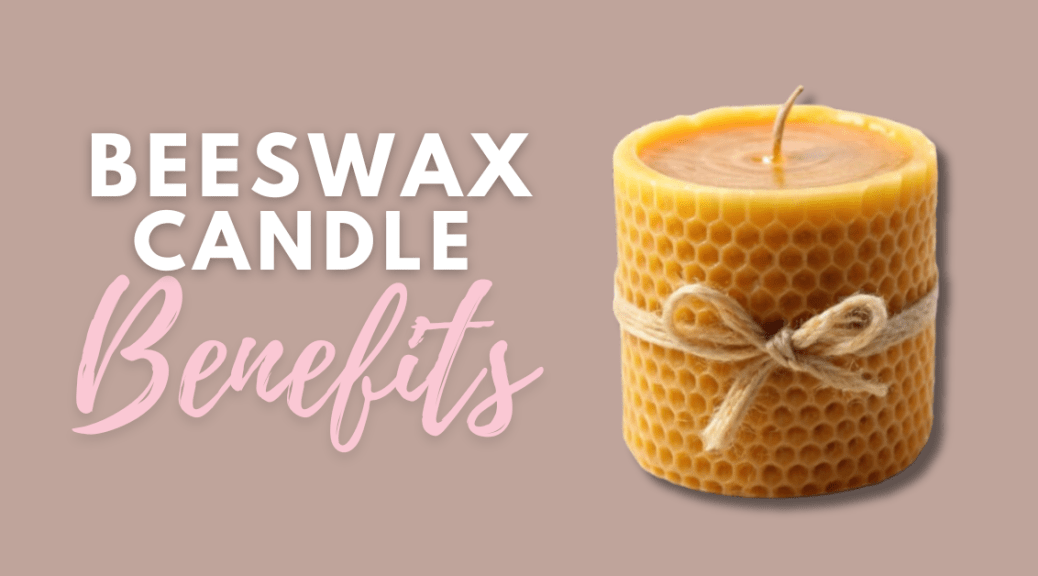
Health Benefits of Beeswax Candles: Natural Air Purifiers and Non-Toxic Hypoallergenic Options

A Breath of Fresh Air: How Beeswax Candles Can Help Allergy Sufferers

This post contains affiliate links which may earn Eco Mom Diaries a small commission.

Are you an allergy sufferer tired of dealing with constant congestion, sneezing, and itchy eyes? You may be surprised to learn that beeswax candles can be a natural and effective way to alleviate your symptoms.

Here are the health benefits of beeswax candles for allergy sufferers:

  • Air Purification: Beeswax candles release negative ions when burned, which attract and trap pollutants like dust, mold, and pet dander, removing them from the air.
  • Relief from Congestion: The negative ions released by beeswax candles can help loosen and clear mucus from your nasal passages, relieving congestion.
  • Reduced Allergen Exposure: By removing allergens from the air, beeswax candles can help reduce the amount of allergens that enter your body, providing relief from symptoms.
  • Soothing Effects: The warm, soft glow of beeswax candles can create a calming atmosphere, reducing stress and promoting relaxation.
  • Natural and Chemical-Free: Beeswax candles are made from natural wax, free from harsh chemicals, artificial fragrances, and dyes, making them a healthier choice for your home.
  • Improved Sleep: By creating a clean and calming cenvironment, beeswax candles can help improve sleep quality, which is essential for overall health and allergy management.

Do Beeswax Candles Last Longer Than Other Candles?

Due to its density, beeswax burns at a much slower rate than traditional candles. Even the smallest of beeswax candles (birthday candles) can burn as long as 30 minutes. While many larger beeswax candles can burn as long as 70-80 hours.

Hence, Beeswax candles may be more expensive than soy or paraffin, but they outlast their competition and never go rancid. That’s right, as long as the wick is intact, you can burn a beeswax candle that’s been in storage for years!

Beeswax Candles Don’t Drip!

Have you ever lit a pillar candle or birthday candle only to see it start dripping? Thats very common with paraffin candles. And those that don’t drip, are full of additives to mimic beeswax candles. Birthday candles that are made of natural beeswax, will not drip. So go ahead and enjoy that cake, minus the waxy coating.

Why Do Beeswax Candles Burn Brighter Than Other Candles?

Beeswax has a very high melting point of approximately 149° Fahrenheit, so it burns brighter than any other candle. In fact, beeswax candles emit a flame that’s on the same spectrum as sunlight, which makes these candles an awesome addition to your emergency supply stockpile (if you lose electricity, you’ll have hours of bright, non-toxic light).

With that said, incorporating beeswax candles into your daily routine can be a simple and effective way to alleviate allergy symptoms. So why not give them a try? Light up, breathe easy, and enjoy the sweet relief of a cleaner, healthier home.

Below are some beeswax candle brands we think you’ll really enjoy!

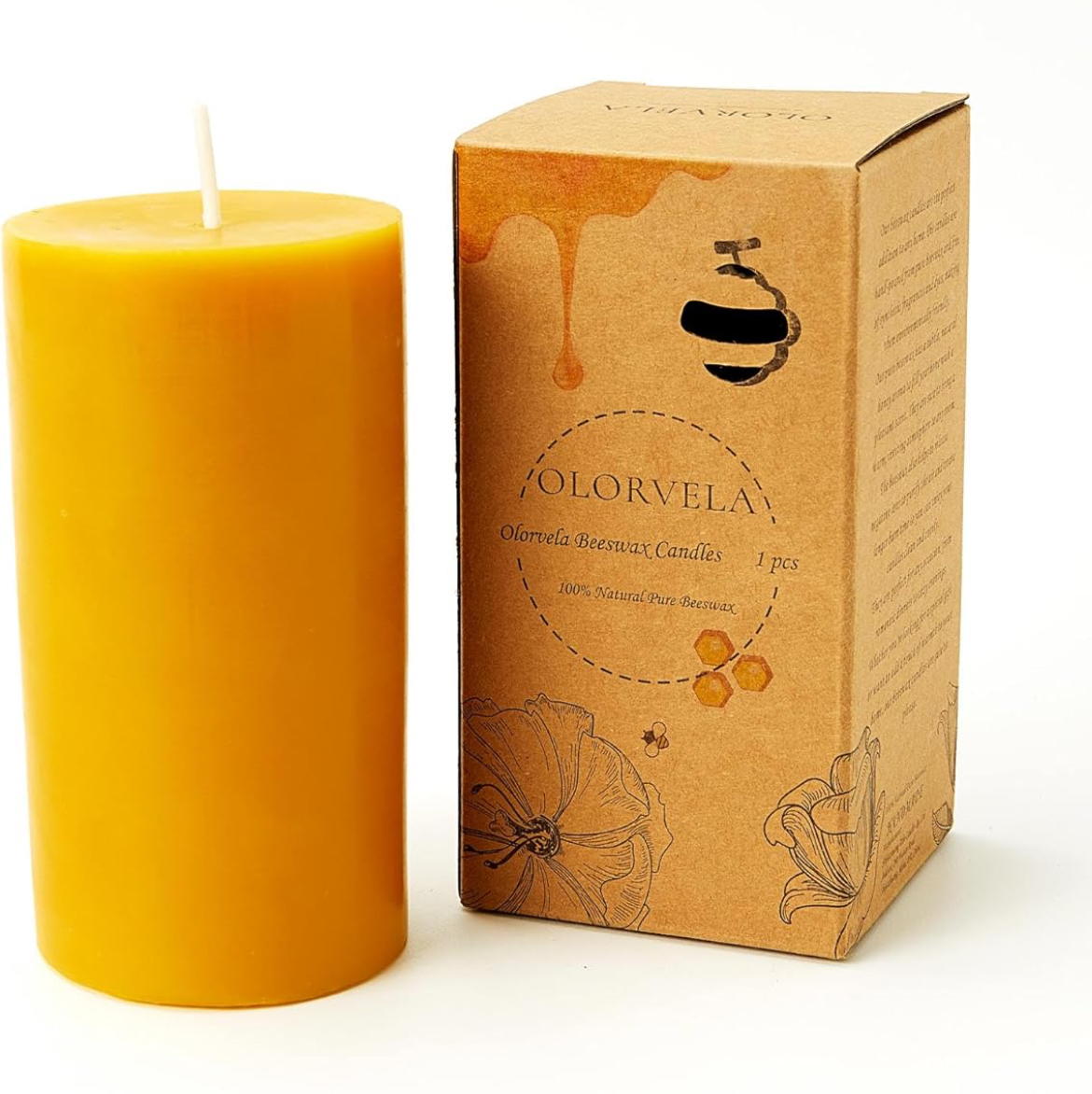
Olorvela beeswax pillar candles For allergy sufferers

The Olorvela beeswax candles are a great buy for those seeking a natural and healthy home lighting option.

Made from 100% natural beeswax, these non-toxic candles burn cleanly and evenly, producing no dripping or mess. Their long-lasting burn time of up to 28 hours makes them perfect for extended events or cozy dinners, providing a warm and inviting ambiance without the hassle of frequent replacements.

With their natural, chemical-free composition, Olorvela beeswax candles offer a safer and more sustainable alternative to traditional candles, making them a great choice for those prioritizing health and wellness in their home.

Root beeswax candle company

Experience the warmth and elegance of Root, a family-owned legacy spanning five generations of candle-making expertise.

Their exquisite, bee-friendly candles are crafted with the finest all-natural beeswax blend and infused with essential oils, ensuring a long-lasting, authentic fragrance that harmonizes with nature.

With Root, every moment becomes a serene retreat, wrapped in the soft glow of sophistication and the gentle whisper of natural beauty. Discover a candle-burning experience that will leave you enchanted and inspired.

Bluecorn’s 100% pure beeswax pillar candle offers a warm amber glow and subtle honey-like scent.

Made from premium-grade, sustainable beeswax, these candles have exceptionally long —50 hours—burn times due to a unique filtering process. Unlike toxic petroleum wax blends, Bluecorn’s beeswax candles release no harmful fumes, making them a healthy and natural choice for your home.

With no added fragrances, paraffin, soy, or metal-core wicks, you can enjoy a clean and intoxicating aroma.

The Best Countertop Compost Bins

Need A Sustainable Way To Dispose Of Food Scraps? Read On For The Best Countertop Composters For Small Kitchens

This post contains affiliate links which may earn us a commission.

Food is a basic human need, yet we take it for granted—creating food waste that contributes to 6% of greenhouse gas emissions.

Restaurants, grocery stores and our own households generate a good amount of food waste on a daily basis. And if you have a tiny squad of picky eaters, you know that’s not far from the truth!

So what can society as a whole do to lower our carbon footprint when it comes to food waste? The answer to that is indoor composting—and you don’t need a backyard to do it.

What Is Composting?

Composting is the method of taking food scraps and other organic items, placing them into a bin, and allowing everything to decompose and biodegrade into nutrient-rich material.

Composting is really quite beautiful. You’re essentially guiding dead matter into the afterlife, where it will emerge as something purposeful—it will contribute to the growth of new living matter. It’s literally the circle of life.

Compost acts as a natural fertilizer and soil conditioner that’s used throughout the world for organic farming, gardening and landscaping. It also acts as a natural pesticide, reducing the need for harmful chemicals in agriculture.

There are three main ways to compost:

  • Continuous composting occurs outdoors within large containers. This is a method primarily used by gardeners. Food scraps and landscape items such as weeds, grass clippings and twigs are continuously placed inside to biodegrade.
  • Just as the name infers, batch composting occurs in batches in order to biodegrade at a faster rate. Food waste and other material are added into a pile at one time, then mixed and tumbled a couple of times a day until the compost is “cooked” and ready to be used. Then it’s switched out with new waste and the process is repeated.
  • Indoor composting consists of composting on a smaller scale—mostly kitchen food scraps which are tossed into a gallon sized countertop bin that contains an odor absorbing charcoal filter (though not all bins require one). This smaller production of compost is typically used on household plants and small gardens, and it’s a great way fo strive for a zero-waste kitchen.

The Benefits Of Composting Food Scraps

Composting helps fight climate change! As mentioned previously, food that ends up decomposing in landfills contributes to six percent of global green house gas emissions.

When you compost, your small contribution helps reduce these greenhouse gas emissions, and you’re supplying your lawn, garden and household plants with organic and rich nutrients.

What Can You Compost?

You can compost most fruit/vegetable scraps, crushed eggshells, coffee grounds, tea bags and old bread. If you’re using an outdoor bin, you can throw in larger twigs, weeds, and grass clippings, etc.

You should never compost meat, fish, dairy products or oil of any kind, as these items will only attract maggots and rodents.

If indoor composting sounds appealing, then you should definitely give it a try! You’ll feel great about recycling organic matter and turning it into something purposeful.

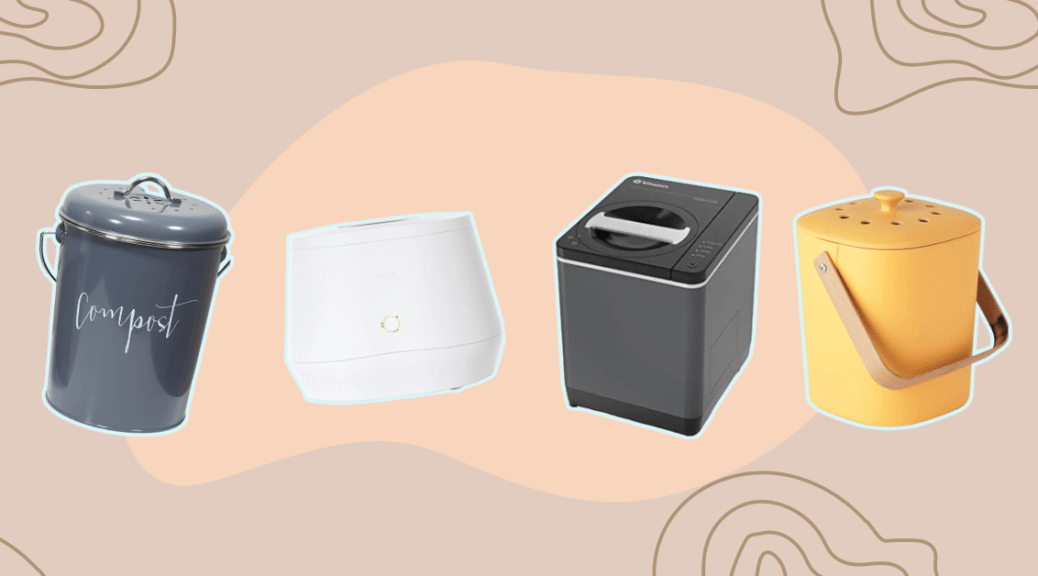
Below are a few excellent kitchen countertop compost bins to get you started. They all come with tight seals and charcoal filters to trap odor, so no need to worry about attracting flies.

Concern about odor is a main reason that prevents people from pursuing this practice, but there’s really no need to worry about it.

These bins are easy to clean, and some are even dishwasher safe. It’s also up to you if you’d like to use a biodegradable liner. It’s really not required, but it’s easier to maintain a clean bin that way. Some of these bins come with liners included, and some must be purchased separately.

Another great feature about countertop compost bins is the size. They’re all primarily one gallon-sized containers, so they’ll fit just about anywhere without taking up much space.

They also all come in different styles—from retro to modern and contemporary. And, stainless steel to ceramic and more. So whatever look you’re into, there’s a compost bin out there that’ll match your kitchen decor.

Lomi Home Composter
Source: Pela | YouTube

1. Lomi Smart Waste Kitchen Composter

Lomi is your easy way to make a positive environmental impact. With just the push of a button, you can turn your food waste into nutrient-rich dirt that can be put into your garden or house plants in just 24 hours!

Some people can’t handle having food scraps sit around in traditional compost bins for weeks on end, so if you’re looking to make your kitchen more sustainable with as little effort as possible, the Lomi kitchen composter is the simplest and most productive way to do it.

OXO Good Grips Kitchen Compost Bin

2. OXO Good Grips Compost Bin

The OXO Good Grips plastic countertop compost bin is budget friendly and easy to clean with a removable lid and easy grip handle. This bin features soft seal construction for oxygen flow to prevent odor build up and does not require a filter. With 3 neutral colors to choose from, the OXO Good Grips compost bins will fit in with any kitchen decor.

Vitamix 068051 Food Cycler

3. Vitamix 068051 Food Cycler

Slightly bigger than your conventional countertop compost bin, the Vitamix food cycler transforms your food scraps into fertilizer within a couple of hours. While it does require an electrical outlet and takes up slightly more space, many people prefer the convenience and efficiency of this “smart” composter to traditional kitchen compost bins—it even composts chicken bones!

Bamboozle Biodegradable Kitchen Compost Bin

4. Bamboozle Biodegradable Kitchen Compost Bin

The Bamboozle kitchen compost bin is made from sustainable bamboo fiber, making this unique countertop bin completely biodegradable. It’s also resistant to heat and moisture, making this eco-friendly kitchen compost bin dishwasher safe and anti-microbial.

BelleMark Countertop Compost Bin

5. BelleMark Countertop Compost Bin

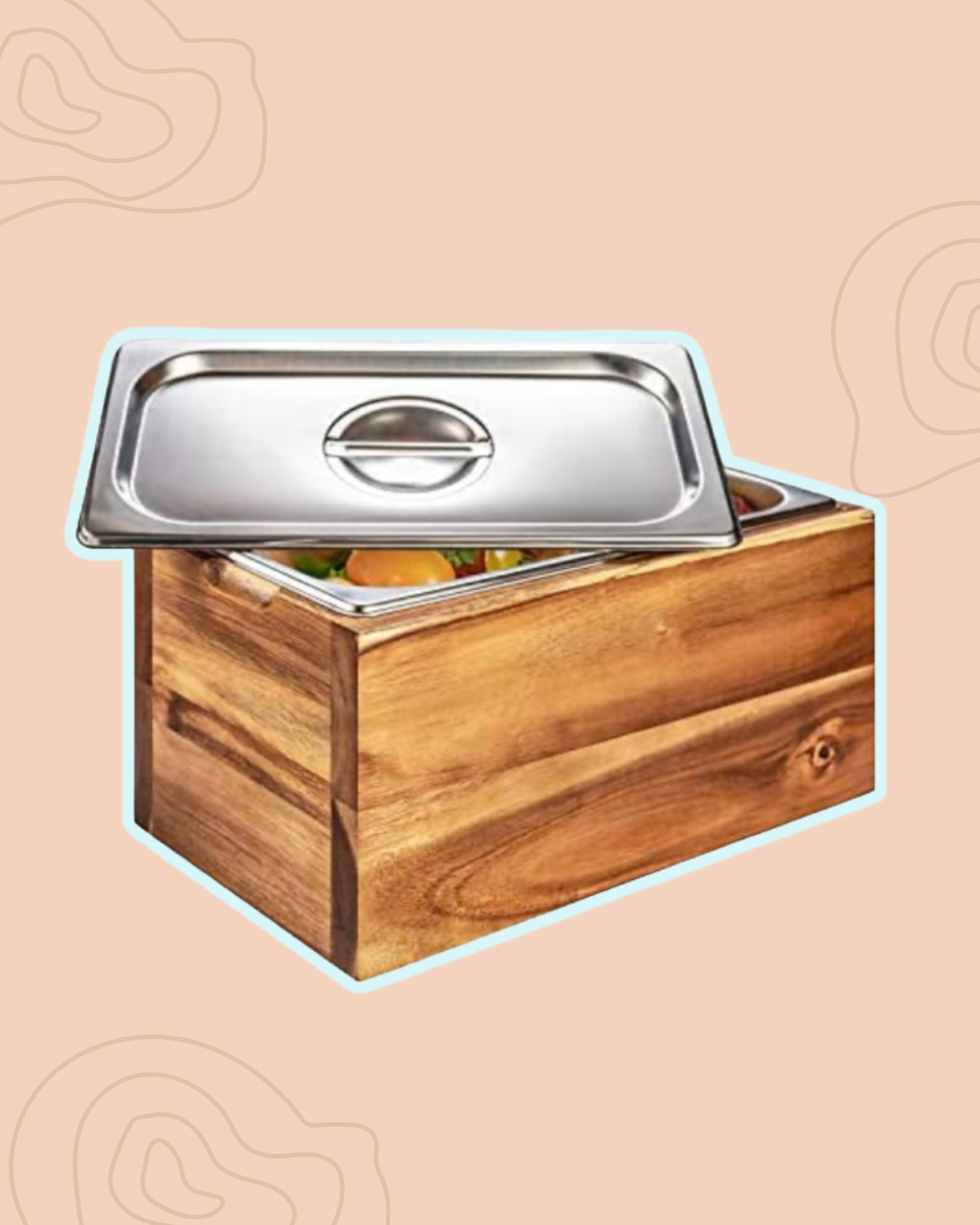
The BelleMark kitchen compost bin is made from sustainable acacia wood and contains a removable rust-proof stainless steel insert for easy cleanup (and it’s dishwasher safe). This rustic countertop compost bin features a secure lid to prevent odor and does not require a filter.

6. Joseph Joseph 30016 Intelligent Waste Compost Bin

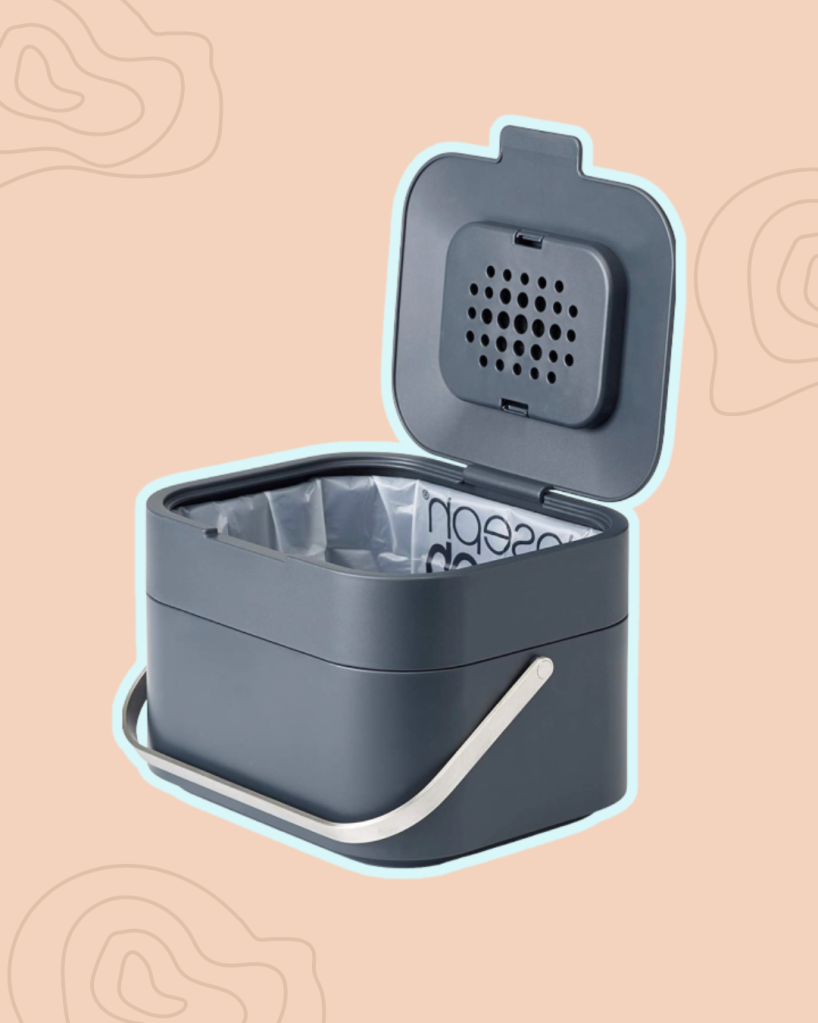
The Joseph Joseph 30016 intelligent waste compost bin contains a wide opening that makes food emptying a breeze. This kitchen compost bin contains a liner retaining interior and a filter compartment in the lid for ventilation.

Modern Barnhaus Kitchen Compost Bin

7. Modern Barnhaus Kitchen Compost Bin

The Modern Barnhaus kitchen compost bin is made from stainless steel. It includes a year’s supply of charcoal filters and biodegradable liner bags, a user manual, and a helpful composting dos and don’ts magnet. This countertop compost bin is ideal for beginners.

iTouchless Kitchen Compost Bin

8. iTouchless Stainless Steel Compost Bin

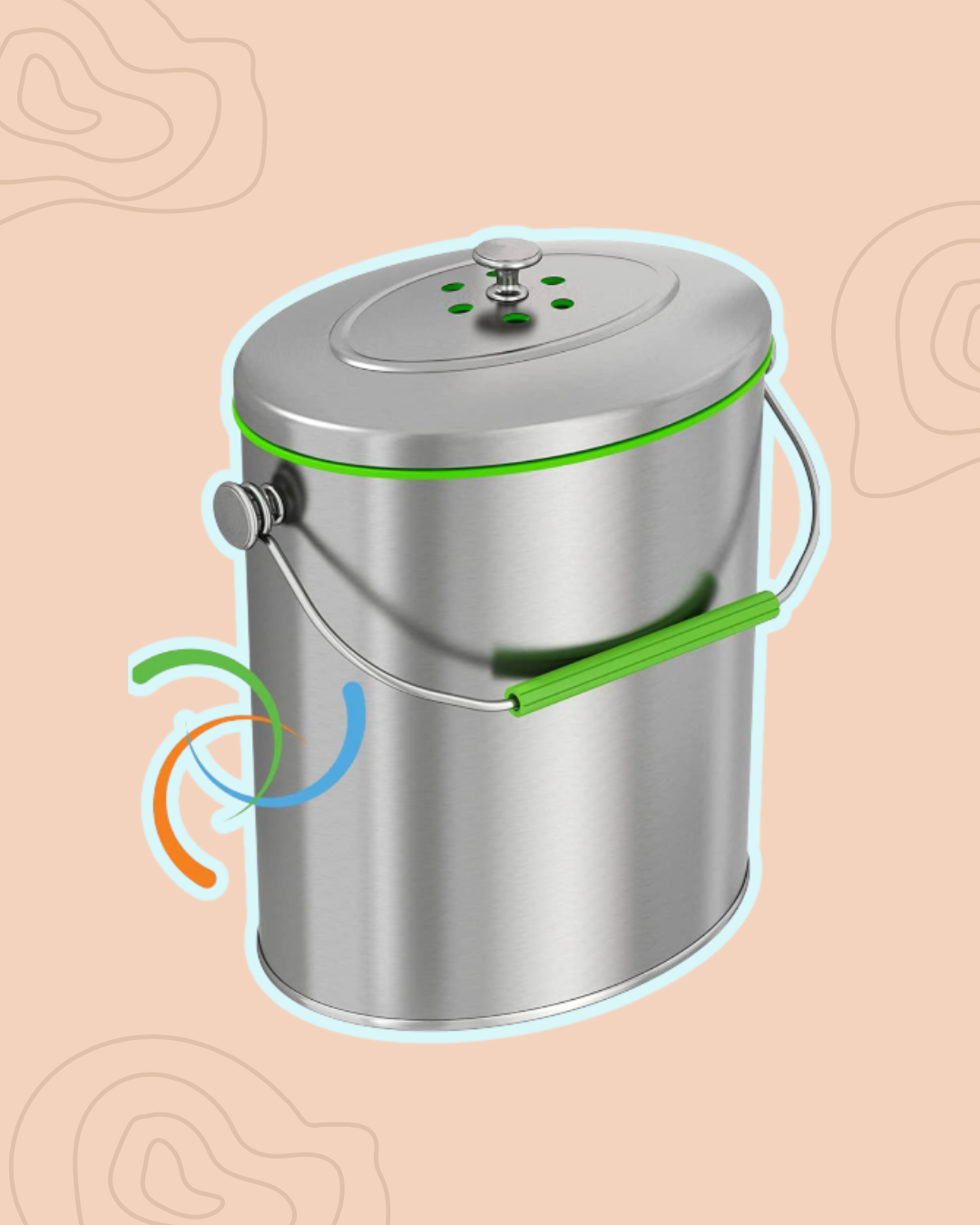
This countertop composty bin by iTouchless is made of brushed titanium steel. It has a more contemporary look for those who like their kitchen decor simple. It contains a filter within the lid and tight seal to prevent odor. It’s also fingerprint proof and easy to clean.

Top Non-Toxic Sippy Cups: Eco-Friendly Alternatives for Transitioning Kids

Transitioning From A Bottle To A Sippy Cup? Here Are The Best Plastic-Free Sippy Cups For Your Child!

This post contains affiliate links which may earn Eco Mom Diaries a small commission.

As a parent, have you ever stopped to think about the sippy cup your toddler is using? Many traditional sippy cups are made with plastic materials that can leach chemicals into your child’s milk or water, posing a risk to their health.

And even if you’re careful to choose BPA-free options, there may still be other toxins lurking in the materials used. That’s why it’s time to make the switch to non-toxic and plastic-free sippy cups.

According to Environmental Health News, “BPA is increasingly replaced by cousin chemicals — such as Bisphenol F (BPF) or BPS — due to mounting health concerns. However, scientists are now uncovering that these replacement chemicals may be as harmful as BPA.”

In this article, we’ll explore the benefits of making this change and highlight some of the best options on the market, so you can rest easy knowing your child is sipping safely.

Switching to a non-toxic sippy cup provides numerous benefits for your toddler’s health and well-being.

By choosing a cup made from safe materials like glass, stainless steel, or silicone, you reduce their exposure to harmful chemicals like BPA, phthalates, and lead which can lower the risk of health problems, promote healthy habits, and support developmental growth.

Non-toxic sippy cups are also durable, eco-friendly, and come in various styles. Making this simple switch gives you peace of mind, knowing you’re prioritizing your child’s long-term health and safety.

A lot of sippy cups are made from plant-based plastics, also known as bioplastics, and are made from renewable resources such as corn starch, sugarcane, or potato starch. While they may seem like a more sustainable option, their safety for drinking is still a topic of debate.

Some concerns with plant-based plastics include:

  • Chemical leaching: Some bioplastics may leach chemicals into food and drinks, similar to traditional plastics.
  • Lack of regulation: The production and safety standards for bioplastics are not yet as strict as those for traditional plastics.
  • Unknown long-term effects: The long-term impact of consuming food and drinks from bioplastics is not yet fully understood.

In summary, while plant-based plastics may be a more sustainable option, it’s much safer to choose sippy cups made from glass, silicone or stainless steel.

With so many options on the market, it’s essential to know what to look for in a non-toxic sippy cup. Here are the key features to consider:

  • Materials: Opt for cups made from non-toxic materials like:
    • Glass (borosilicate or soda-lime)
    • Stainless Steel (18/8 or 304)
    • Silicone (food-grade, BPA-free)
  • BPA-Free: Ensure the cup is BPA-free, but also be aware that even some BPA-free plant-based plastics may still leach chemicals.
  • Phthalate-Free: Phthalates are endocrine disruptors, so choose cups without them.
  • Lead-Free: Verify that the cup’s materials and manufacturing process are lead-free.
  • Durable and Shatter-Resistant: A durable cup reduces the risk of breakage and potential harm.
  • Easy to Clean: A simple design and wide mouth make cleaning easier, reducing bacterial growth.
  • Spout or Straw Material: If the cup has a spout or straw, ensure it’s made from non-toxic materials like silicone or stainless steel.
  • Brand Transparency: Choose brands that openly disclose materials, manufacturing processes, and safety testing.
  • Recyclable: Consider cups made from recyclable materials to reduce waste.

By considering these key features, you can find a non-toxic sippy cup that prioritizes your child’s health and safety. Always remember to regularly inspect and replace the cup as needed to ensure its integrity and your child’s well-being.

With that said, below are our top recommendations for non-toxic and environmentally friendly sippy cups.

Moonkie Silicone Training Cup

Parents adore the Moonkie silicone 3-stage training cup because of its versatility and adaptability to their child’s growth. This innovative cup seamlessly transitions from a straw cup to a regular cup, making it an excellent investment for parents who want a product that can keep up with their baby’s development.

The soft, silicone material is gentle on tiny hands and mouths, while the straw feature helps little ones learn to drink effortlessly. As their child grows, the cup can be easily converted to a regular cup, promoting independence and confidence.

The Moonkie training cup’s durability, ease of cleaning, and non-toxic materials provide parents with peace of mind, knowing they’re giving their baby the best possible start.

The Nuby Animal Friends Silicone Sippy Cup is a delightful and functional choice for parents seeking a engaging and easy-to-use drinking solution for their little ones.

The adorable animal-shaped handles make it easy for tiny hands to grasp and hold, while the free-flow removable spout allows for a seamless transition from bottle to cup. Made from soft, flexible silicone, this sippy cup is gentle on small mouths and easy to clean.

The removable spout also makes it simple to convert to a standard cup as your child grows, extending its use and value. With its charming design, practical features, and durable construction, the Nuby Animal Friends Silicone Sippy Cup is a great buy for parents who want to make mealtime a fun and stress-free experience.

The Avanchy stainless steel sippy cup is an exceptional transition cup for toddlers, offering a safe, durable, and eco-friendly solution for little ones learning to drink independently.

Crafted from high-quality 18/8 stainless steel, this cup is resistant to rust, corrosion, and scratches, ensuring it withstands even the toughest toddler handling. The accompanying silicone-tipped straw, also made from 18/8 stainless steel, provides a soft and gentle mouthpiece for comfortable sipping.

As your child grows, the straw can be easily removed, allowing for a seamless transition to a standard cup. With its non-toxic materials, sleek design, and robust construction, the Avanchy stainless steel sippy cup is a great buy for parents seeking a reliable and sustainable transition cup that will support their child’s growth and development.

The Mushie silicone Sippy Cup is an excellent choice for parents looking to transition their toddlers to cups. Made from soft, flexible, and BPA-free silicone, this sippy cup is gentle on small mouths and easy to clean.

Its unique design features a weighted base that prevents tipping, making it perfect for little hands to hold and maneuver. The spill-proof spout is removable, allowing for an easy transition to a standard cup as your child grows and becomes more confident in their drinking abilities.

Additionally, the Mushie sippy cup is dishwasher safe and comes in a variety of earthy colors, making it a practical and fun option for parents seeking a stress-free transition to cups. With its durability, ease of use, and adaptability, the Mushie silicone Sippy Cup is a great buy for parents who want to make the transition to cups a success.

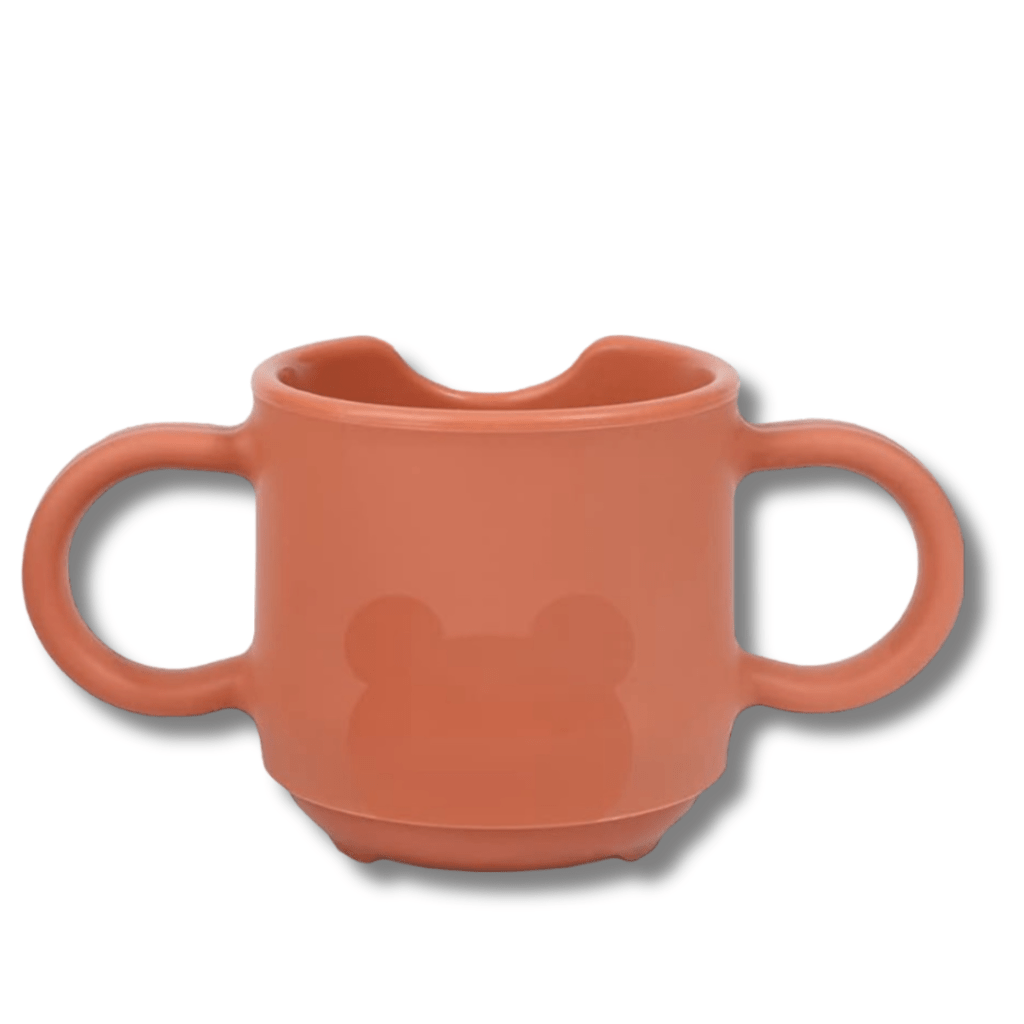
The Haakaa silicone Sippy Cup is a standout choice for parents seeking a practical and comfortable drinking solution for their toddlers. Its unique cut-out design allows for easy nose clearance, making it perfect for little ones who are still learning to navigate their cups.

The soft, flexible silicone material is gentle on small mouths and faces, while the spill-proof spout ensures mess-free drinking. The Haakaa sippy cup is also easy to clean and dishwasher safe, making it a convenient option for busy parents.

Additionally, the cup’s compact design and lightweight construction make it easy to take on-the-go. With its thoughtful design features and durable construction, the Haakaa silicone Sippy Cup is a great buy for parents who want to make mealtime a breeze for their tiny tots.

The Klean Kanteen Crocus Petal Cup is an excellent transition cup for toddlers, offering a gentle and sustainable introduction to independent drinking.

Both the cup and straw are made from certified 90% post-consumer recycled steel, making it an eco-friendly choice for parents who prioritize the planet. As your child grows, the lid and straw can be easily removed, allowing for a seamless transition to a standard cup.

With its durable, non-toxic materials and thoughtful design, the Klean Kanteen Crocus Petal Cup is a great buy for parents seeking a reliable and sustainable transition cup that will last for years to come.

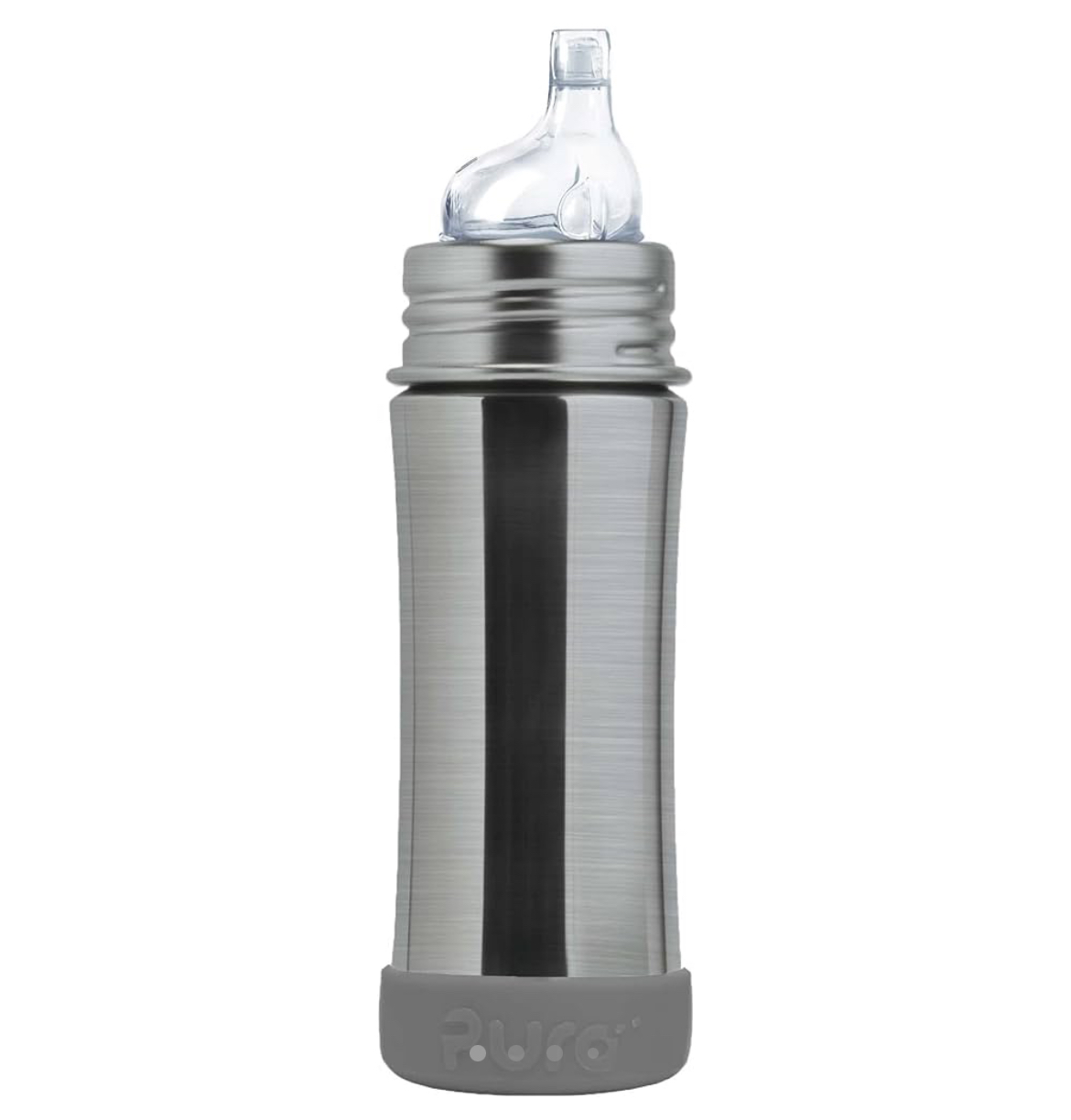
The Pura stainless steel sippy cup is an excellent investment for parents seeking a safe, sustainable, and versatile drinking solution for their child. This 100% plastic-free cup boasts a hospital-grade stainless steel sleeve, ensuring durability and resistance to bacteria.

The interchangeable silicone mouthpiece allows for easy customization as your child grows, and the entire cup can be seamlessly converted into a sports bottle, extending its use and value.

With its non-toxic materials, adaptability, and eco-friendly design, the Pura stainless steel sippy cup is a smart choice for parents who prioritize their child’s health, safety, and the environment.

Easy Sustainable Living Tips | Gender-Neutral Eco-Friendly Practices

Sustainable Lifestyle Tips For Beginners

This post contains affiliate links which may earn us a commission.

Going green. Such a simple concept, yet so difficult to master. And why so? The answer is that humanity has grown complacent in a fixed mindset that small changes on their behalf won’t repair a big problem caused by billions of other people. It’s a feeling of defeat.

But, believing that one person can’t spark a big movement toward positive change is the reason that our fragile environment has become a breeding ground for global-scale crises such as pollution, collapse in ecosystems, species endangerment and global warming.

And for our environment to heal and undergo rehabilitation, fundamental change needs to take place—and that starts with a shift in consciousness.

You don’t need to be a specific gender to live a more eco-friendly and sustainable lifestyle. Although, it does seem as if green living is depicted as more of a women’s niche. 

Online advertisements, television commercials, and even social media posts—all seem to target the female population as if that specific gender is the only one that cares about the environment. Well, men are interested in a sustainable lifestyle too.

What Is Sustainable Living?

Sustainable living simply means that you’re prioritizing natural and renewable resources over actions and single use items that create waste. 

Choosing recycled and ethically manufactured clothing over fast-fashion is one example of sustainable living. Growing an outdoor vegetable garden or an indoor herb garden is yet another example. Even being an eco-conscious traveler falls into the realm of sustainability.

To put it simply, a sustainable lifestyle involves being a good steward of the Earth, buying less, and choosing reusable and renewable products over disposables; and opting for nontoxic and biodegradable products that are healthy for both you and the environment. 

With that said, below are 5 tips for sustainable living that any beginner—male and female—can both ease into. 

1. Avoid Plastic And Invest In Reusable Products

Disposable plastic is everywhere. It’s in the form of a toothbrush that’s perched on your bathroom sink, the case of bottled water in your pantry, and in the form of a straw that’s given to you at your favorite drive-thru restaurant. 

With that said, one of the best ways that you can be more sustainable everyday is to swap and avoid disposable plastic products. Some easy beginner changes that you can make consist of:

  • Swapping your plastic shampoo bottle for a shampoo bar.

2. Shop For Sustainable Shoes And Clothing

You’d be surprised how many people are ditching fast fashion and opting for sustainably and ethically made clothing brands.

Sustainable fashion consists of organic and recycled fabrics that are ethically and sustainably manufactured in facilities that treat factory workers in the most humane way possible and are void of child labor.

The benefit of buying sustainable clothing over fast fashion is that you’re buying quality fabric—an item that’s going to last. Sustainable clothing is also great for the planet—the manufacturing process uses less chemicals and less water. 

From organic and recycled t-shirts to sustainably made shoes, swim trunks, and wooden fashion accessories like sunglasseswatches, and bow ties, ethical fashion is the new trend that’s only going to become more popular in the coming years.

3. Ditch The Plastic Laundry Detergent

Traditional laundry detergent is packed full of synthetic chemicals that can irritate skin, are bad for the environment, and they’re packaged in bulky plastic containers. 

With that said, one of the best ways that you can be more sustainable in the laundry room is to ditch the traditional laundry detergent and switch to eco-friendly and non-toxic laundry strips or biodegradable pods.

There are several benefits to this swap: eco strips and eco pods are zero waste, they’re perfect for travel, college and small apartments, and they’re hypoallergenic and non-toxic because they’re made from plant-based ingredients.

4. Start Composting In Your Kitchen

One of the best ways to lower your carbon footprint in the kitchen is to start composting—which can be accomplished even in the smallest of kitchens.

Food scraps like vegetables, egg shells, hair and paper can all be placed into a countertop compost bin, transforming said items into nutrient rich compost that’s excellent to use on potted plants, herbs and vegetable gardens.

Kitchen compost bins are typically about the same size as croc pots (or coffee pots), and come with liners and charcoal filters that prevent odor and fruit fly infestation. It’s definitely a great way to be more sustainable and zero-waste in the kitchen.

5. Switch To Non-Toxic Cleaning Products

A great way to make your home more eco-friendly and non-toxic is to ditch traditional cleaning products and swap them for non-toxic, plant based brands with recyclable containers.

Traditional cleaning sprays contain harmful chemicals that linger in the air and can be toxic to both humans and pets. Plant based solutions, on the other hand, are gentle yet powerful, and you don’t need to worry about inhaling anything dangerous.

Another alternative to traditional cleaning products is to create your own cleaning solutions using everyday pantry ingredients like vinegar, baking soda, hydrogen peroxide, essential oils and certain fruits like lemons and oranges.

6. Lastly, Create A Shift In Your Mindset

A mindset is a filtered view of the world that’s delicately influenced through a set of experiences. Everyone you’ve encountered, everything you’ve been taught, and everything you’ve seen, has had a part in shaping your mindset.

And although you’ve been “locked” into your current mindset for quite some time, it is possible to modify it. Many people are resistant to change because they fear it, so instead of making of a change, simply look at it as making a modification in thinking.

Simply realizing that you are a part of something greater is the first step in shifting your mindset. Acknowledging that you are a steward of the earth will help you embrace the concept of sustainability and motivate you to make wiser decisions—paving the way to a more sustainable future for you, your family and the environment.

Additional Resources 

If you’re curious about your carbon footprint and would like to know how to manage your lifestyle better, there’s a cool carbon footprint calculator on The Cool Climate Network, which is a research consortium at the University of California, Berkeley. They research and develop cutting-edge carbon footprint management tools for households, small businesses, schools and communities in the U.S. and Internationally. The estimate is totally free!