

Packing a Safe Lunch: The Best Non-Toxic Lunch Packing Essentials For Back To School
This post contains affiliate links which may earn Eco Mom Diaries a commission.
The back-to-school season is upon us, and with it comes the excitement of new beginnings, fresh supplies, and the age-old quest for the perfect lunchbox.
As parents, we want to ensure our kids have a healthy and enjoyable lunchtime experience, but we also want to make sure their lunchbox is safe, durable, and aligns with our values.
With the growing awareness of environmental sustainability and chemical safety, lunchbox shopping has become more than just a practical task – it’s an opportunity to make a positive impact on our children’s health and the planet.
In this article, we’ll explore the best options for non-toxic, eco-friendly lunchboxes that will keep your kids’ meals fresh and their future bright.
The Hidden Dangers of Conventional Lunch Boxes
While browsing for lunch boxes, it’s easy to get caught up in the abundance of adorable designs and colorful options available.
However, many of these visually appealing lunch boxes are made primarily from plastic materials that contain a cocktail of harmful chemicals. These chemicals, such as BPA, phthalates, lead, and PVC, can leach into food and pose significant health risks, especially for children.
Prolonged exposure to these toxins has been linked to various health issues, including developmental problems, hormonal imbalances, and even cancer. Moreover, plastic lunch boxes often end up in landfills or oceans, contributing to the growing problem of plastic waste and pollution.
As a result, it’s crucial to look beyond the cute designs and prioritize lunch boxes made from safe, non-toxic materials that ensure both your child’s health and the environment are protected.
- BPA (Bisphenol A): linked to cancer, reproductive issues, and developmental problems
- Phthalates: known endocrine disruptors that can affect hormone regulation
- PVC (Polyvinyl Chloride): contains toxic additives and can release dioxins during production
- Lead: a neurotoxin that can cause developmental delays and learning disabilities
What to Look for in a Non-Toxic Lunch Box
When shopping for a safe lunchbox, there are several crucial features to consider to ensure you find a healthy and sustainable option for your child.
- Materials: prioritize lunchboxes made from non-toxic materials, such as stainless steel, glass, or food-grade silicone, which are less likely to leach chemicals into food.
- Durability: consider the construction of the lunchbox, opting for one with a sturdy design and secure lid to prevent leaks and spills.
- Easy Cleaning: look for lunchboxes with easy-to-clean surfaces and dishwasher-safe components to maintain hygiene and prevent bacterial growth.
- Safe Temperature: consider the lunchbox’s thermal performance, choosing one that can keep food at a safe temperature for several hours.
- Sustainability: think about the lunchbox’s environmental impact, selecting a product made from sustainable materials, designed for longevity, and recyclable or biodegradable.
- Certifications: Look for certifications like BPA-free, phthalate-free, or PVC-free.
By considering these key features, you can find a safe and healthy lunchbox that meets your child’s needs and aligns with your values.
Top Picks for Non-Toxic Lunch Boxes
Stainless Steel Lunch Boxes:

Silicone Lunch Boxes:
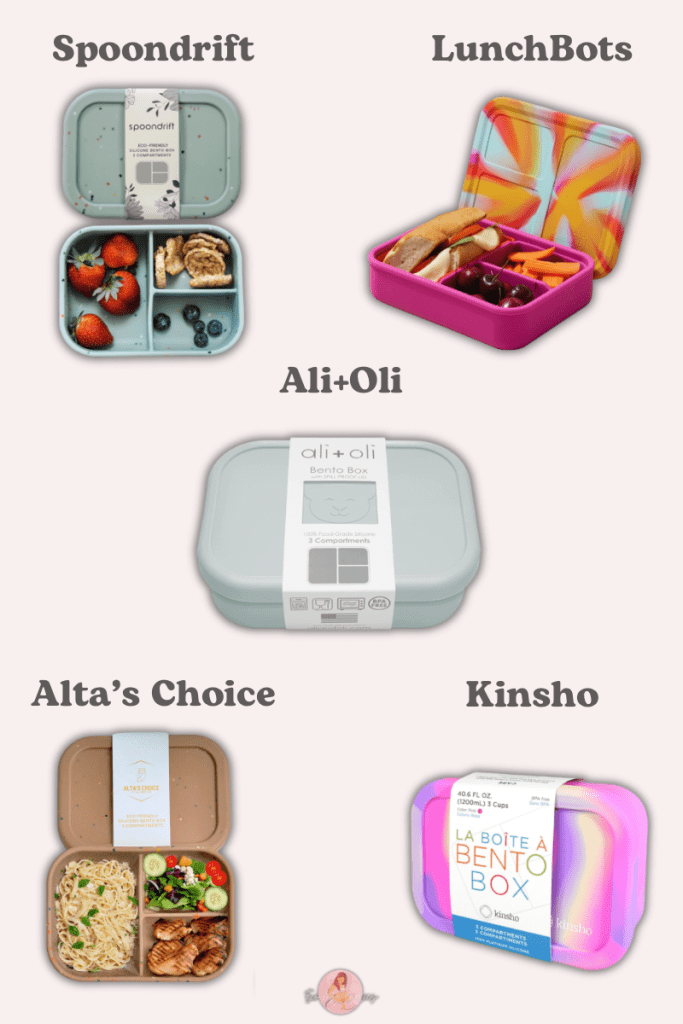
- Kinsho: features food grade leak-proof silicone bento boxes with airtight outer seal.
Spoondrift: Offers food grade silicone bento boxes with airtight outer seal and 3 compartments.
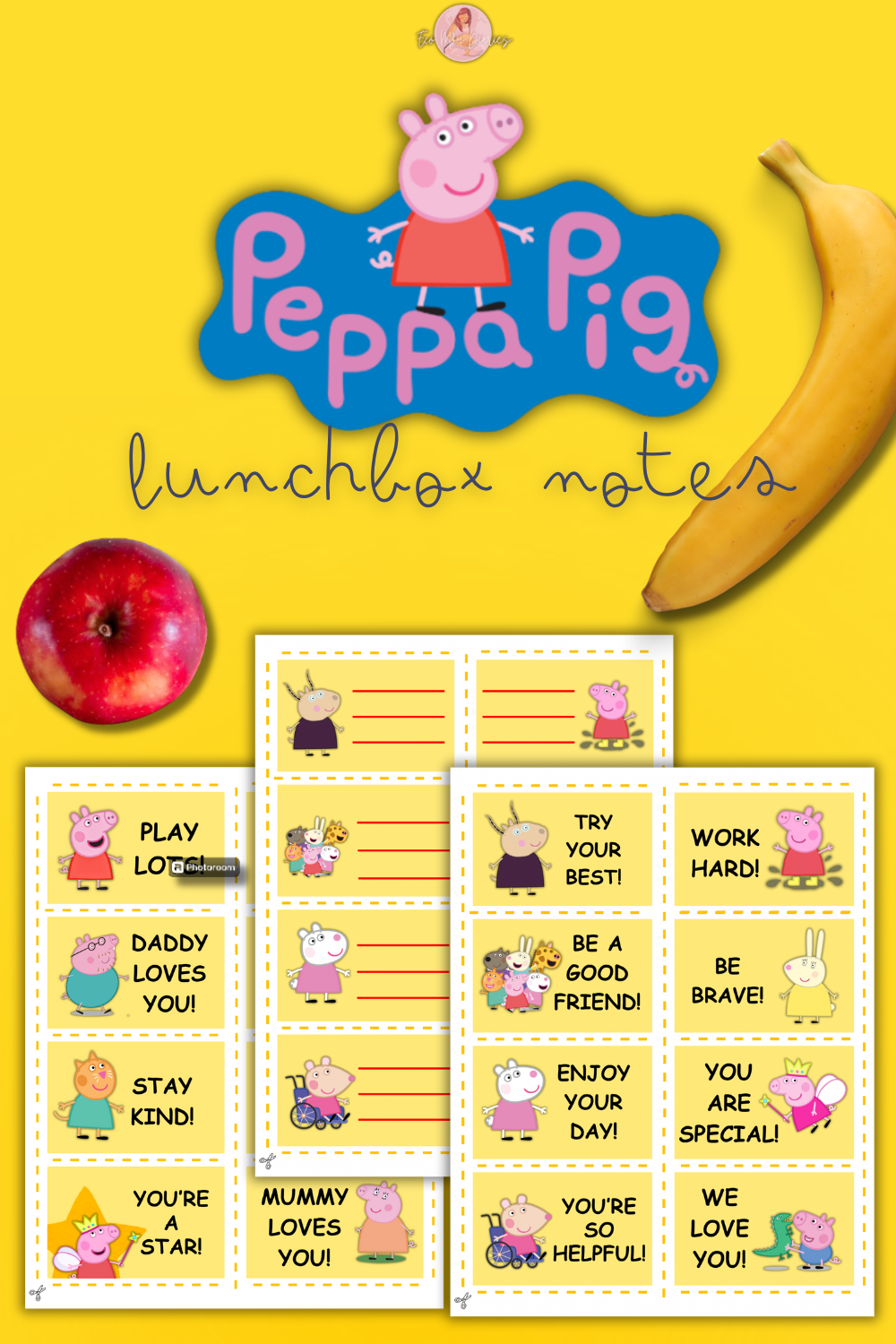
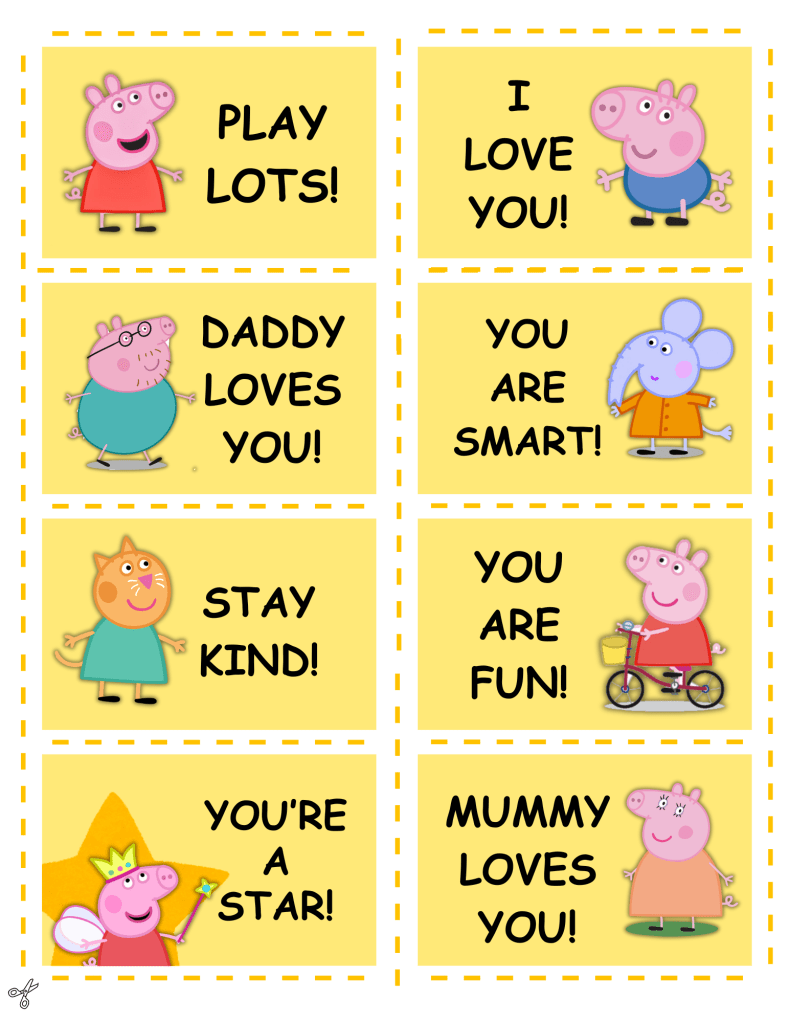
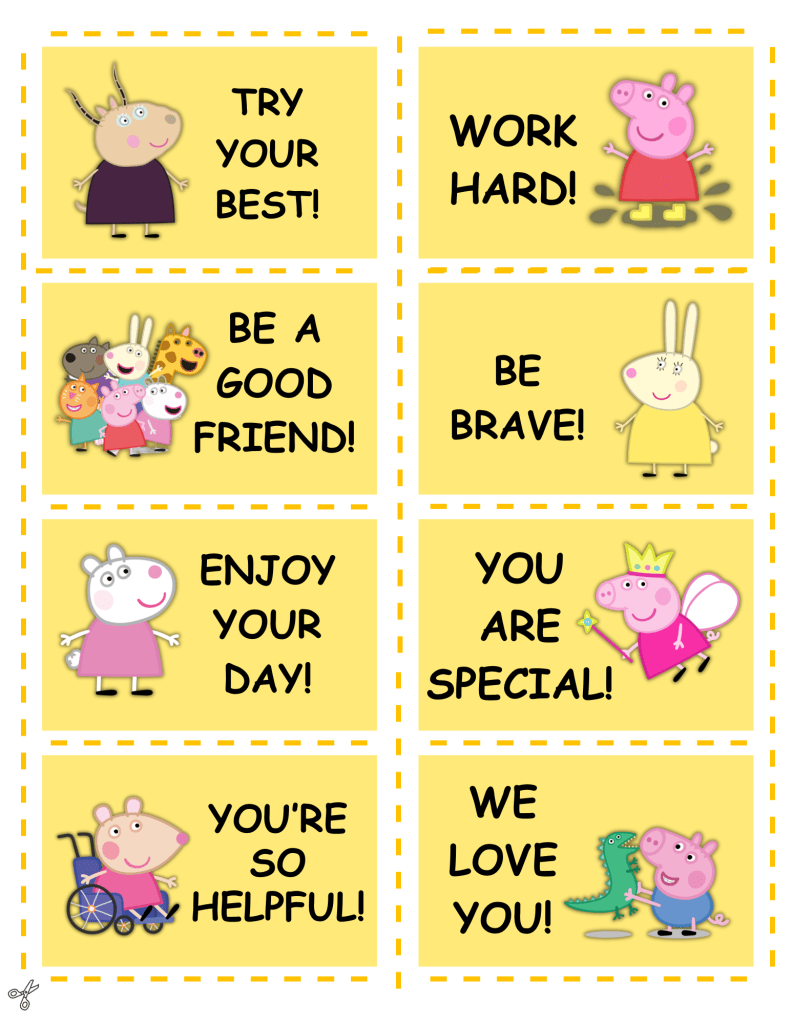
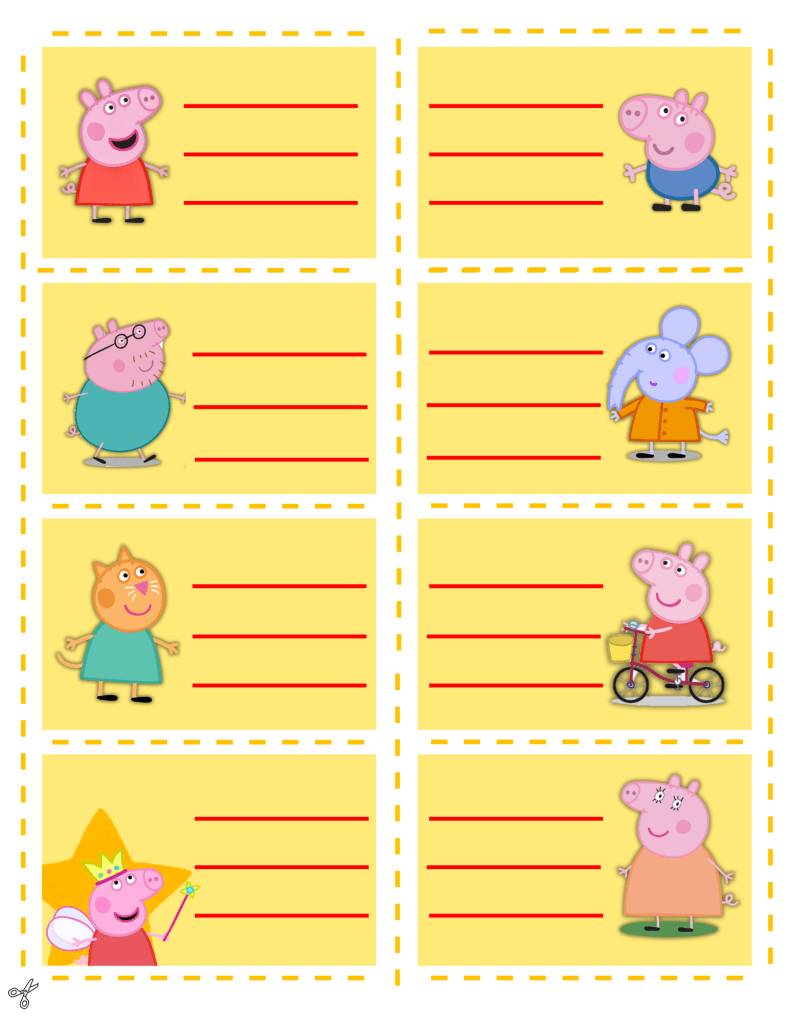
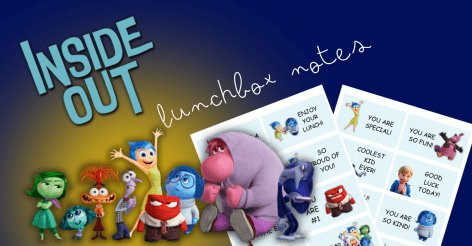
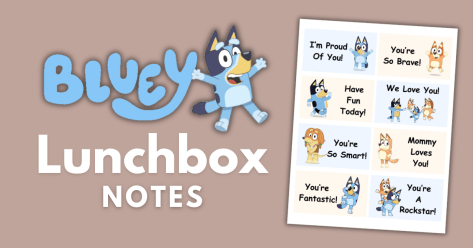
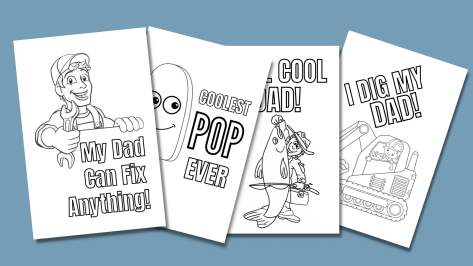
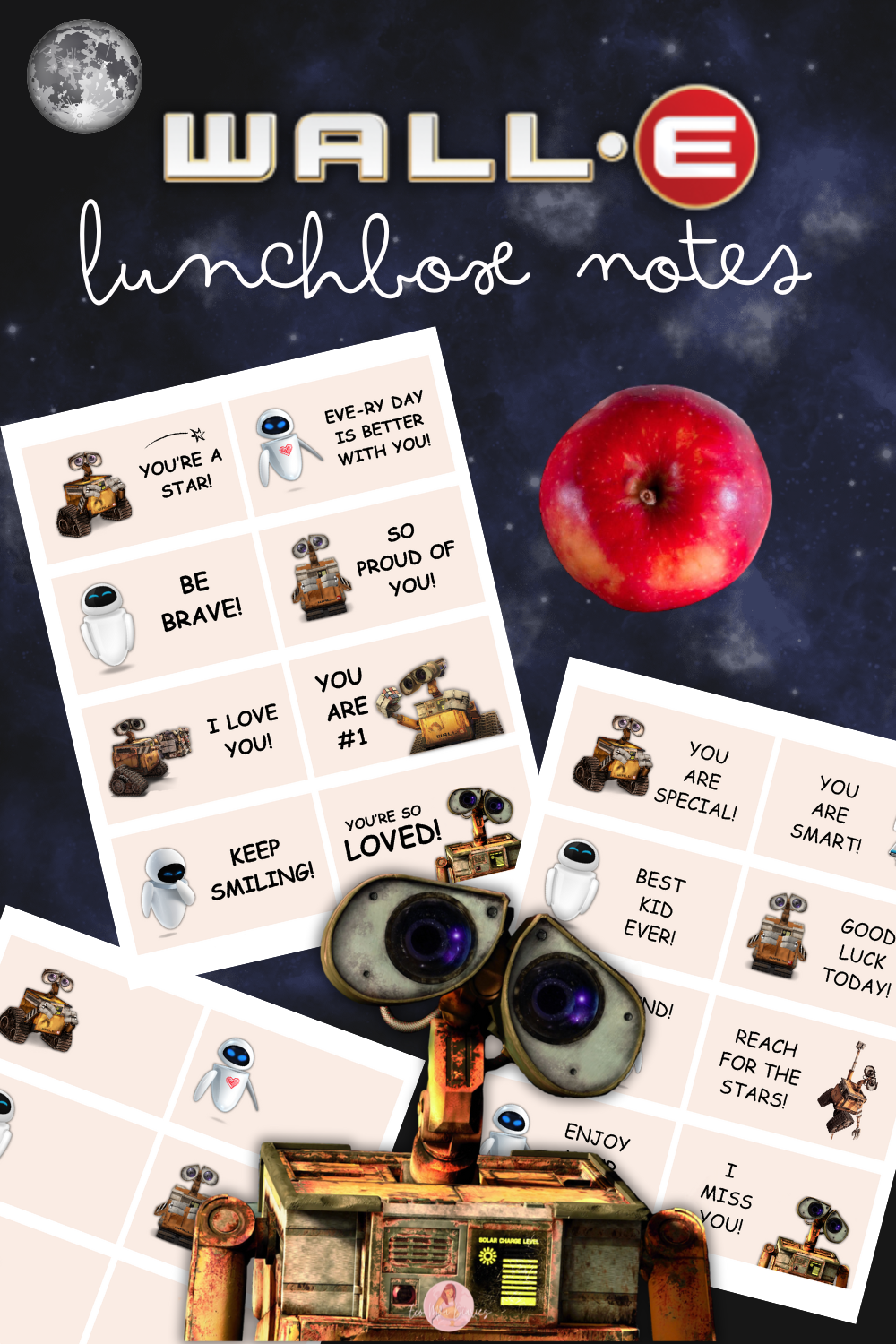
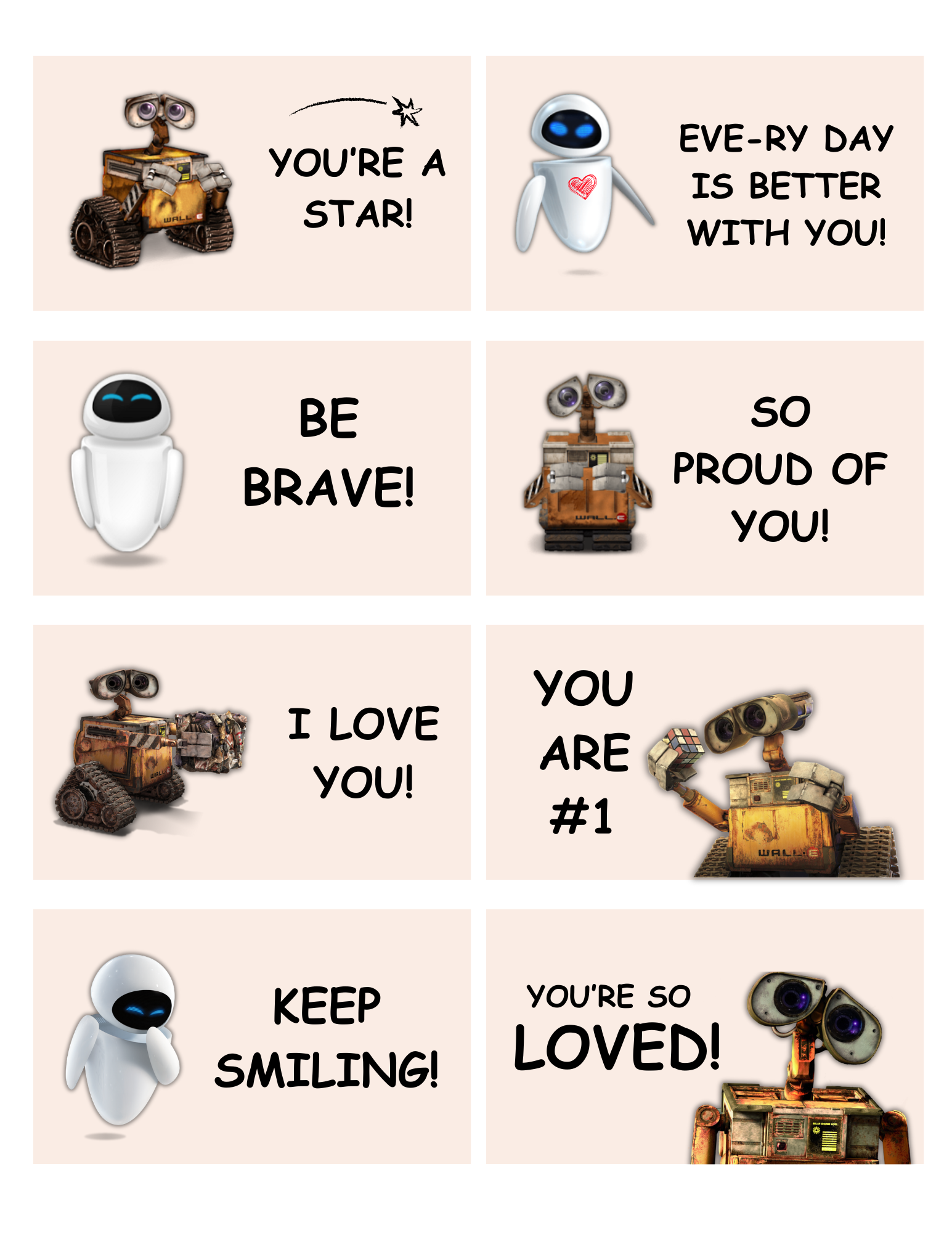
Don’t Forget The Lunchbox Notes!




- Raising Wild Kids: The Sustainable Parenting Trend Every Family Should Try

- How to Create an Eco-Friendly Mother’s Day Gift Basket (Sustainable Gift Basket Ideas Moms Will Love)
- 200+ Vintage Grandparent Baby Names That Are Ready for a Comeback

- 250+ Rich Girl Baby Names That Sound Elegant and Expensive

- Sustainable & Non-Toxic Easter Basket Fillers for Kids (75+ Eco-Friendly Ideas)
























 Eco Mom Diaries